
Categories
- FQA (226)
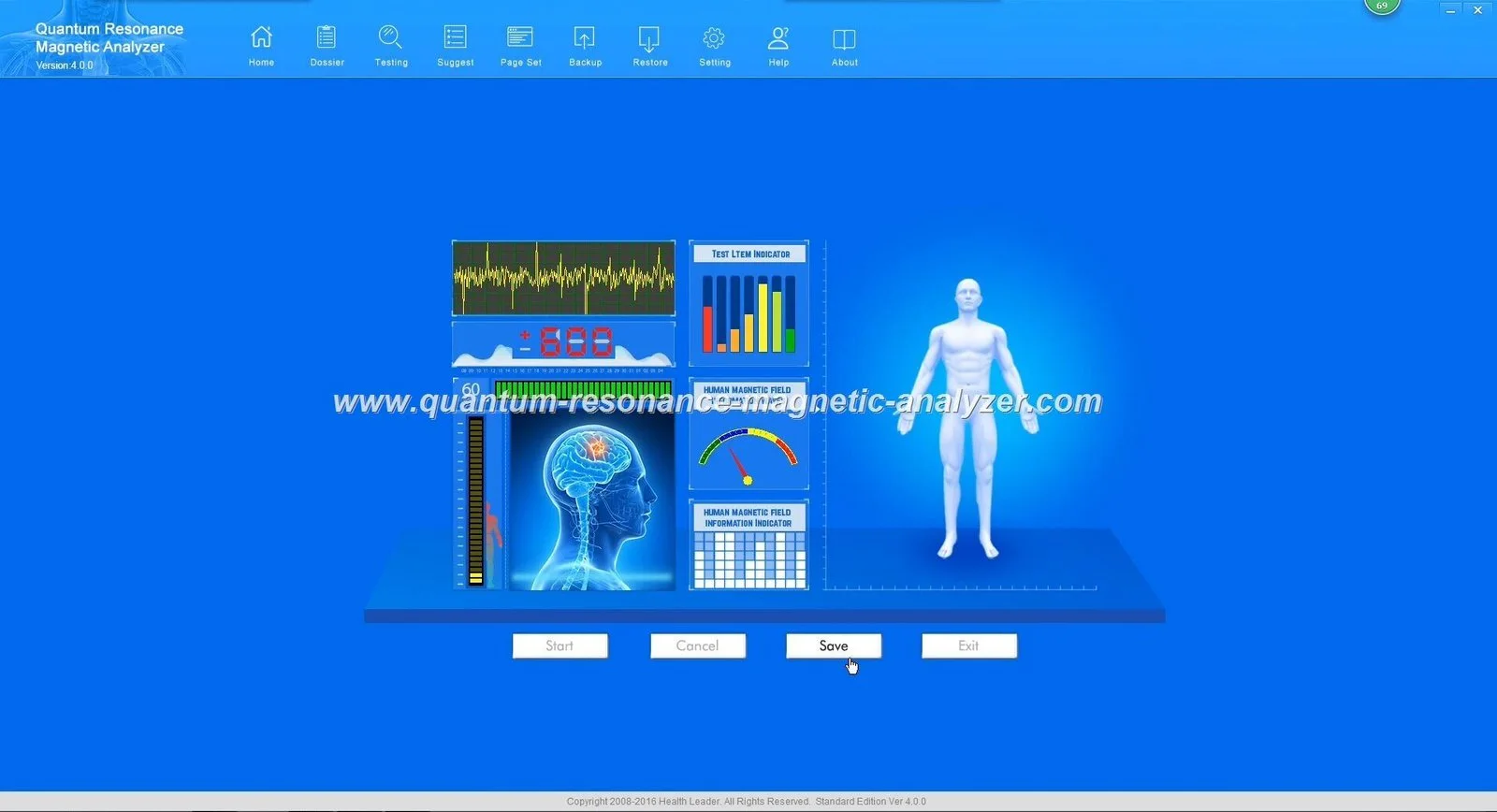
For distributors and large clinics in Nigeria the practical route is a staged, competency‑based programme that certifies technicians at Basic, Advanced and Specialist levels; focuses on device fundamentals, routine maintenance, troubleshooting and safe customer handoff; uses blended delivery (classroom theory, bench-level hands‑on and supervised field visits); and ties re‑certification to major software releases or annual review. We recommend you pilot the syllabus on a small cohort, link certification outcomes to your spare‑parts and ticketing process, and escalate unresolved faults to MAIKONG’s factory support when a supervised service sign‑off is exceeded or warranty conditions require manufacturer intervention.
Distributors in Nigeria operate across varied clinic environments and differing power, network and service infrastructures. An in‑house programme reduces reactive break‑fix work by standardising how technicians inspect, maintain and hand over MAIKONG analyzers. That improves uptime, preserves warranty conditions and strengthens brand trust with end customers. Because MAIKONG declares ISO 9001, CE and ISO 13485 as part of our quality framework, having trained technicians who follow manufacturer‑aligned procedures helps preserve those product‑level expectations and simplifies escalation to factory support when required.
Cover every device family you sell or service: desktop and portable quantum resonance magnetic analyzers, mini units and the 3D/9D series included in MAIKONG’s product line. Include software lifecycle activities (installation, updates and report generation), routine mechanical and electrical checks, consumable replacement, calibration verification where specified, and the customer handoff process for report interpretation (not clinical diagnosis). MAIKONG provides lifetime free software upgrades and product documentation that you should reference during training; for technical support options see our On‑site Technician Support for Quantum Analyzer Systems and Quantum Resonance Magnetic Analyzer Certification resources.
Technicians can perform visual inspections, basic device setup, safe powering, run standard software checks, replace common consumables and complete the customer handoff checklist. They recognise when faults exceed routine repair and know how to log a service ticket.
Technicians can diagnose common hardware faults, perform component‑level swaps authorised by your service policy, apply software updates, run data backups and restore procedures, and advise on environmental issues (power conditioning, network connectivity) that affect device stability.
Specialists carry out in‑depth troubleshooting, interpret internal error logs, perform controlled repairs under factory guidance, and supervise field‑service calls by Basic/Advanced technicians. They are the authorised sign‑off for repairs that touch sealed assemblies or affect warranty status.
Organise curriculum into modular skill blocks so you can mix levels and target the right cohort.
Below are 10 example modules you can implement; adapt sequencing to the trainee’s role.
Blend delivery: theoretical briefings in the classroom, bench‑level hands‑on sessions with fault injection and supervised field visits observing live customer jobs. For distributors operating across Nigeria we recommend running the first cohort at a central hub and then doing smaller, regional refresher clinics to match local installation conditions and power/network realities. Keep cohorts small enough that each trainee completes every hands‑on exercise.
Use three complementary assessments.
Tie competency evidence to authorisation levels: Basic graduates can perform routine maintenance; Advanced technicians can execute authorised component replacements; Specialist sign‑off is required for sealed assembly repairs or warranty-implicating work. Avoid granting authorisations without supervised field evidence.
Trainers should be experienced service engineers or OEM technical staff. Use internal subject matter experts for hands‑on work and factory materials for device‑specific procedures. MAIKONG supplies training materials and can provide certification course content; see our Quantum Resonance Magnetic Analyzer Certification page for details and downloadable resources where available. Maintain a trainer pack with lesson plans, checklists and assessment rubrics so different trainers grade consistently.
Provide each trainee bench with a set of basic test tools and consumables so assessments are comparable:
Keep a digital training record per technician that contains:
Set re‑certification triggers: after major MAIKONG software releases, after device firmware changes that affect service procedures, or at regular periodic review (we recommend aligning policy with your commercial warranty terms). Re‑certification should focus on changed procedures and a practical reassessment rather than repeating the entire course.
Certification should map to operational flows:
Where MAIKONG involvement is needed, provide the factory with the device serial number, service log and software version to avoid rework; MAIKONG’s On‑site Technician Support for Quantum Analyzer Systems describes options for factory engagement.
We base the recommended programme on common maintenance and after‑sales practice and on MAIKONG’s published product and support claims. MAIKONG declares ISO 9001, CE and ISO 13485 as part of our quality framework, offers lifetime free software upgrades, and reports 41‑item health reports with 85–90% accuracy as a company statement. These declarations should be used to inform training content and escalation criteria; they do not replace local regulatory checks or clinical guidance.
Related resources: On‑site Technician Support for Quantum Analyzer Systems; Quantum Resonance Magnetic Analyzer Certification.
Training cannot replace factory diagnostics or clear warranty policy ambiguities. Do not permit uncertified technicians to perform repairs that affect sealed assemblies or warranty seals. Company accuracy figures and declared certifications are manufacturer statements; distributors must not repurpose device outputs as medical diagnosis and should instruct customers to seek professional clinical evaluation when appropriate. Finally, local electrical and installation regulations in Nigeria may require additional protective measures not covered by general training — verify site compliance before service visits.
Use this short checklist during the practical task:
If you want a customised certification package (course materials tailored to the MAIKONG model mix you sell, trainer packs and factory co‑training options), email lucy@quantumanalyzer.ng with the following: device models and quantities covered, target trainee count, preferred training hub city in Nigeria and whether you need on‑site factory support. Pricing and delivery options are available on inquiry.
For further reading and to coordinate on‑site support, see our On‑site Technician Support for Quantum Analyzer Systems and Quantum Resonance Magnetic Analyzer Certification pages.
This content is for health management and equipment‑service education only and does not replace professional medical diagnosis. MAIKONG devices and reports are provided for informational use; they are not a substitute for clinical assessment, and we do not promise diagnosis, treatment or cure. Follow local regulatory requirements and refer clinical questions to qualified medical professionals.
Contact: lucy@quantumanalyzer.ng
This content is provided for learning, information sharing and professional communication only. It is not medical advice and is not a basis for treatment or diagnosis. Confirm suitability, operation and purchasing requirements against the product manual, local regulations and qualified professional guidance.