Categories
- FQA (224)
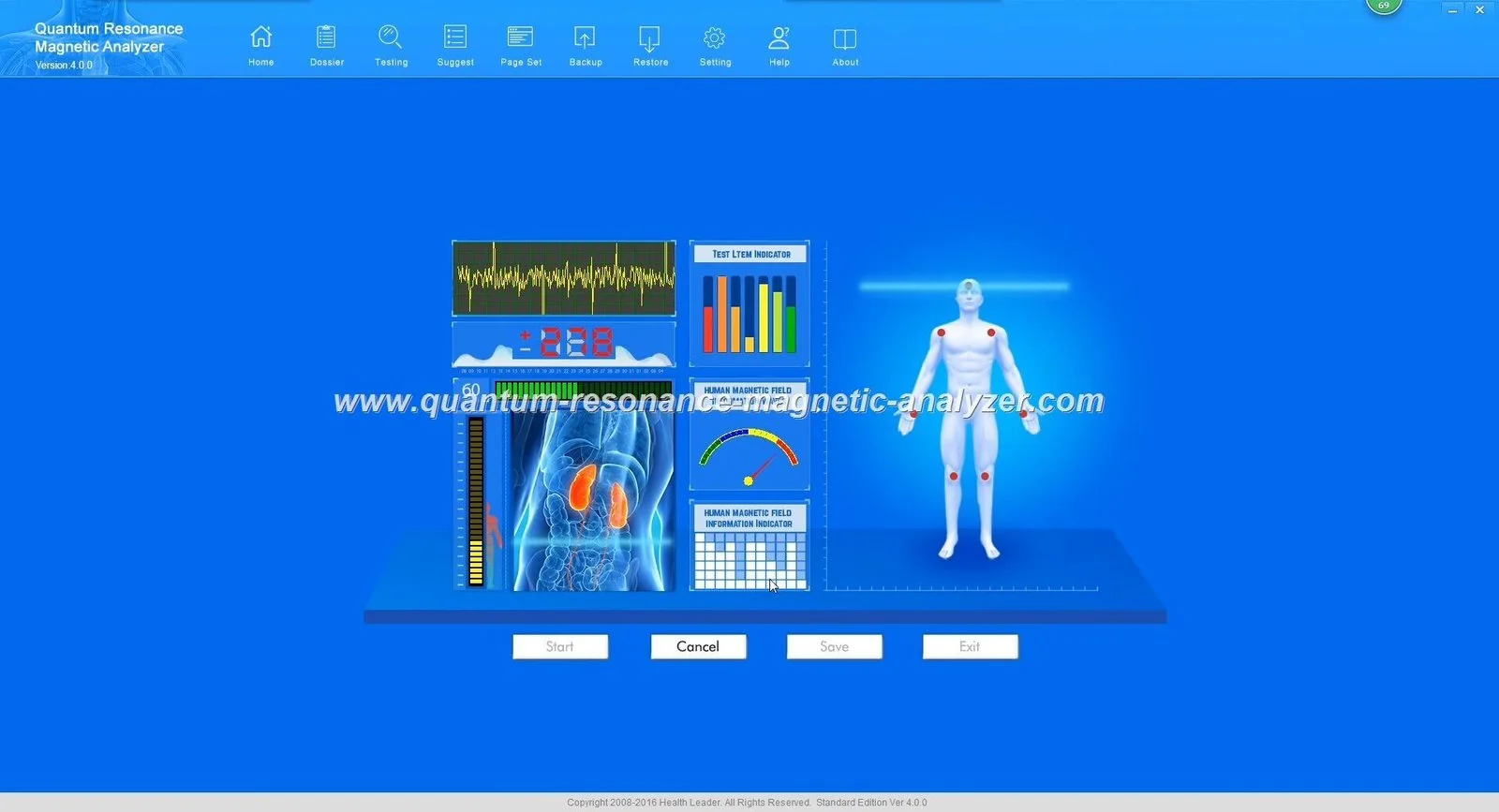
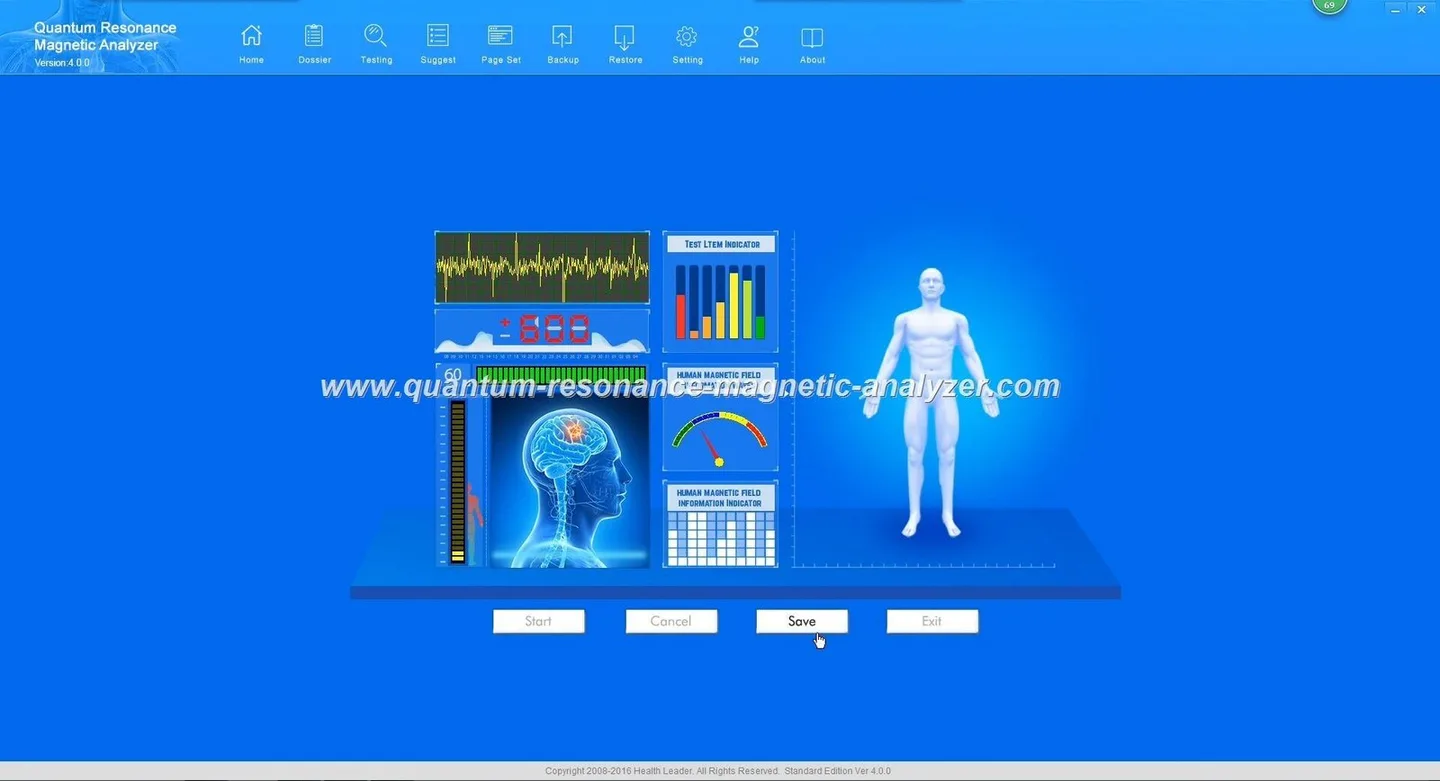
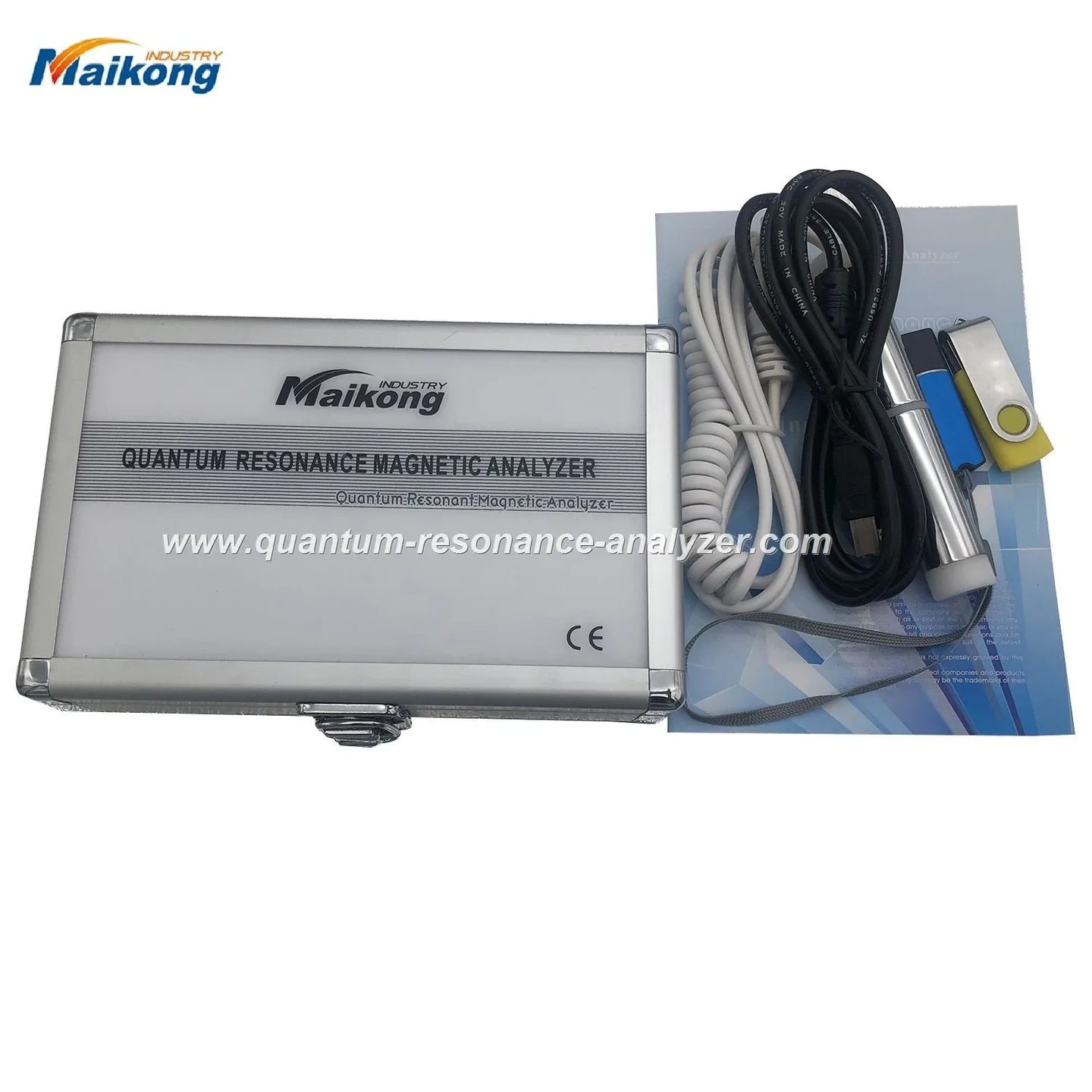
A pharmacy in Nigeria can make an in-store quantum screening service (using the MAIKONG Quantum Analyzer MK001) work commercially if the offering is positioned as a short, clearly scoped wellness scan rather than a medical diagnosis; if placement balances visibility with a private consultation area; and if you tie scans to specific retail actions — cross‑sells, repeat-visit incentives and local referral links with clinics. Start with a pilot that fixes location, staff role and one bundled offer, measure throughput and product conversion, then expand. The MK001 is supported by MAIKONG’s Quantum Analyzer Software for Windows systems and comes with standard manufacturer terms we list below (company-declared details).
For placement decisions you need a concise set of product facts you can plan around. The device model for retail screening is the MAIKONG Quantum Analyzer MK001; MAIKONG supplies the device with the company’s Quantum Analyzer Software (software version 2026) and declares compatibility with Windows systems including Windows XP/7/8/10/11. Manufacturer-supplied commercial terms include minimum order quantity 1, lead time 2–3Days and a 1 Year warranty on parts and labour. These are company-declared facts we cite to help you check fit and procurement timing before you pilot the service. (data-fact-id=”118″)
Before you buy or pilot an MK001, decide three commercial priorities that shape every subsequent choice:
Location in a retail footprint is the single biggest determinant of uptake. Here are five workable placements with the trade-offs we’ve seen in similar retail projects.
Choose one to pilot. If you want quick uptake, start with a visible kiosk or front placement for two to four weeks, then compare conversion and privacy complaints before moving into a private room.
Keep roles lean. A single attendant can manage customer approach, device operation, basic explanation and product recommendations; a pharmacist or trained dispenser should review outputs and make clinical referrals when appropriate. We recommend:
Packages that work combine clarity of scope with direct retail incentives. Simple menu ideas:
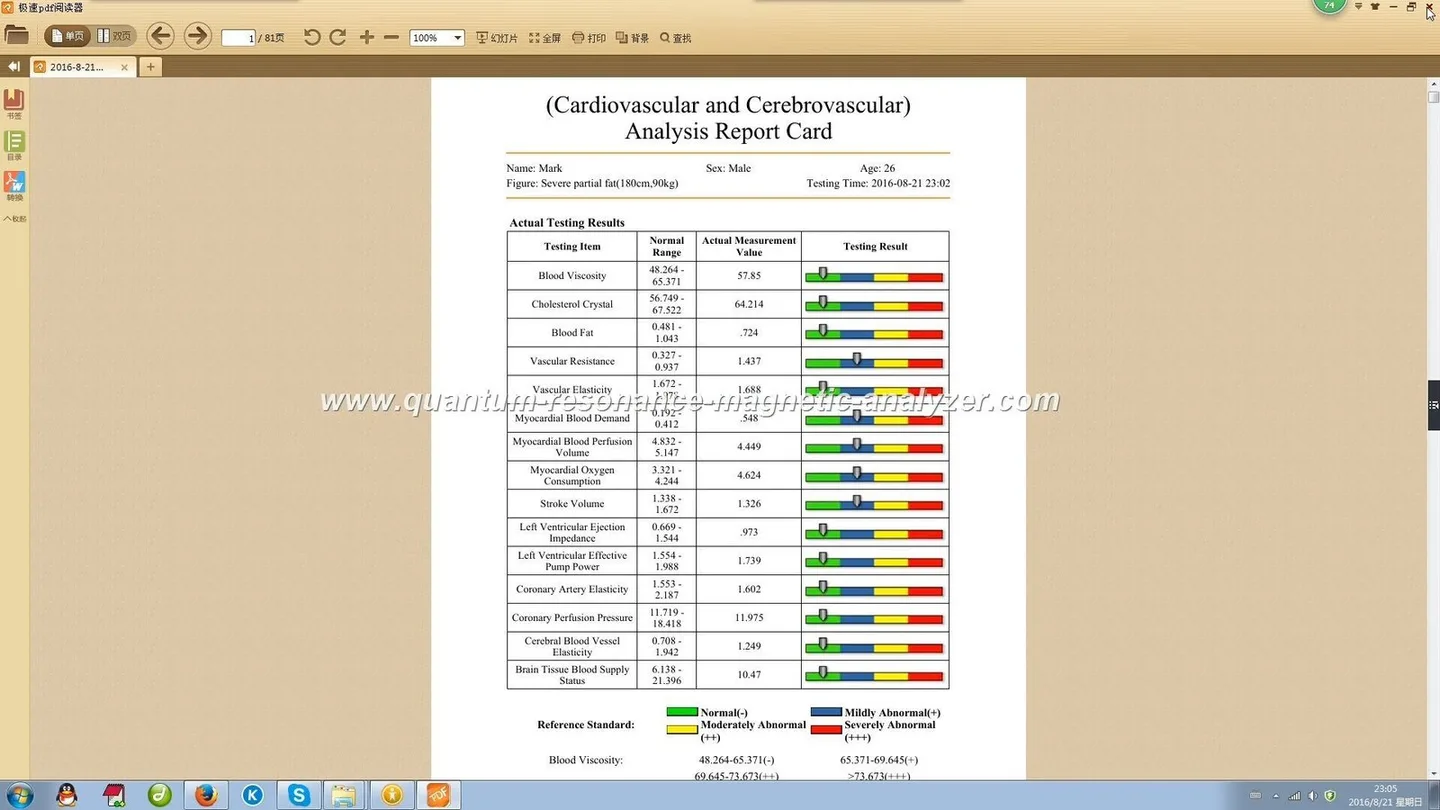
The public message must be short and transparent. Signage should state what the scan does and does not do, for example: “Wellness scan for health management — not a medical diagnosis. A pharmacist will advise on follow-up.” Provide a small private area or screen where results are discussed. Maintain basic hygiene on contact surfaces and explain how long you keep records. Keep the language local and plain.
Don’t publish price in the first week unless you know your break-even. Instead, decide these seller choices up front:
Use the pilot to test a simple paid option versus a free demo that requires a purchase — compare conversion to product sales and acquisition cost per new customer.
Use low-cost local channels: in-store demos, short social posts with neighbourhood targeting, posters in nearby clinics, and referral links with private practitioners or labs. Offer a limited-time “first-scan” promotion to reduce friction and request simple feedback to iterate messaging. Track which channel produced each customer so you can scale what works.
State only manufacturer-declared certifications and avoid clinical promises. MAIKONG declares ISO 9001, CE and ISO 13485 as company certifications; you may present those as manufacturer-declared facts but should not imply regulatory approval for clinical diagnosis. Public messaging must not claim the device diagnoses, treats or cures diseases. Always encourage customers to consult a licensed clinician for medical concerns.
The product facts used above come from MAIKONG’s company-declared product information for the MK001 and the company profile supplied with this guidance (model identity, software compatibility, lead time and warranty). For software specifics consult the manufacturer’s software page: Quantum Resonance Magnetic Analyzer Software.
The MK001 and similar devices are offered for health management and screening support; they are not substitutes for clinical diagnostics. Where precise clinical decision-making is required, the pharmacy should refer customers to qualified clinicians. We have not provided independent verification of clinical accuracy here; MAIKONG’s accuracy and certification statements are company-reported and should be verified against regulatory requirements in your state if regulatory compliance is necessary for your planned use.
Track simple, actionable KPIs: number of scans per week, scan-to-product conversion (how often a scan leads to any sale), repeat-scan rate and appointment no-show rate. For an A/B test, run two placement variants (visible kiosk vs. semi-private) or two pricing offers (standalone fee vs. bundled discount) for comparable weeks and compare conversion and average basket value. Use those results to fix your standard operating layout.
If you want a tailored placement plan or a commercial quote that fits your pharmacy layout, contact MAIKONG sales to discuss MK001 configurations, training options and local-language software setups. Email us at lucy@quantumanalyzer.ng or reach out on WhatsApp/phone at +8613510907401 to request a quotation and to confirm training availability.
This content is for health‑management and retail planning only. The MAIKONG MK001 is presented here from company-declared specifications; it should not be used as a substitute for professional medical diagnosis, treatment or clinical testing. Always refer customers with medical concerns to licensed clinicians.
This content is provided for learning, information sharing and professional communication only. It is not medical advice and is not a basis for treatment or diagnosis. Confirm suitability, operation and purchasing requirements against the product manual, local regulations and qualified professional guidance.