Magnetic resonance analyzer machine — what chiropractic clinics in Nigeria should know before buying · body
Quick answer
A “magnetic resonance analyzer machine” in this context refers to a class of non‑invasive scanning systems often sold as quantum resonance/quantum magnetic resonance body analyzers. For a chiropractic clinic in Nigeria the core decision is whether you need a screening tool that supports patient education and wellness workflows or whether you require equipment that contributes to formal clinical diagnosis. These devices — including MAIKONG‘s Quantum Analyzer (model MK001) — are positioned as screening and health‑management tools; they are not a substitute for medical diagnostic imaging or clinical tests. If your clinic wants a screening/reporting device, check the exact model (e.g., MK001), software version and supported operating systems, the declared certifications, and the seller’s evidence for report accuracy before requesting a configuration and quote.
Contents
Requirements and use context
Chiropractic clinics in Nigeria typically evaluate devices against three practical needs: patient throughput, clinical relevance, and regulatory/installation fit. For a magnetic resonance analyzer machine you should be clear about the intended use in your practice:
Patient education and baseline wellness screening: If you plan to use the device mainly to show patients a structured health report and motivate compliance, a consumer‑oriented analyzer can be appropriate.
Adjunct to case management: If you expect the device to inform treatment choice or measure outcomes, verify the specific report items and whether clinical staff can interpret them alongside established assessments (ROM, orthopaedic tests, neurological screening).
Not a diagnostic substitute: These devices do not replace X‑ray, MRI, laboratory testing, or formal medical diagnosis. Plan your clinic protocols so that any flagged abnormality prompts referral for standard diagnostic workup.
Verified specifications and evidence (what we can confirm)
From our product record the Quantum Analyzer MK001 is the relevant model to note. The following are supplier‑reported technical points you can verify with the vendor prior to purchase:
Supplier‑reported snapshot for model MK001 (use for checklist, not as independent verification)
Additional vendor declarations we report (company self‑reported): MAIKONG states CE and ISO 9001 / ISO 13485 declarations, lifetime free software upgrades, ready stock availability and a 41‑item health report with claimed 85–90% accuracy. Treat these as supplier statements to verify with documentation before relying on them for clinical decisions.
We help clinics by turning product details into a short checklist you can use on supplier calls and site visits. Prioritise the items below in the order that matches your clinic’s workflow.
Intended clinical role. Decide whether the device will be a front‑desk screening tool, a counselling aid, or intended to influence treatment plans. If anything beyond counselling is intended, require independent clinical validation or peer‑reviewed evidence for the specific report items you will use.
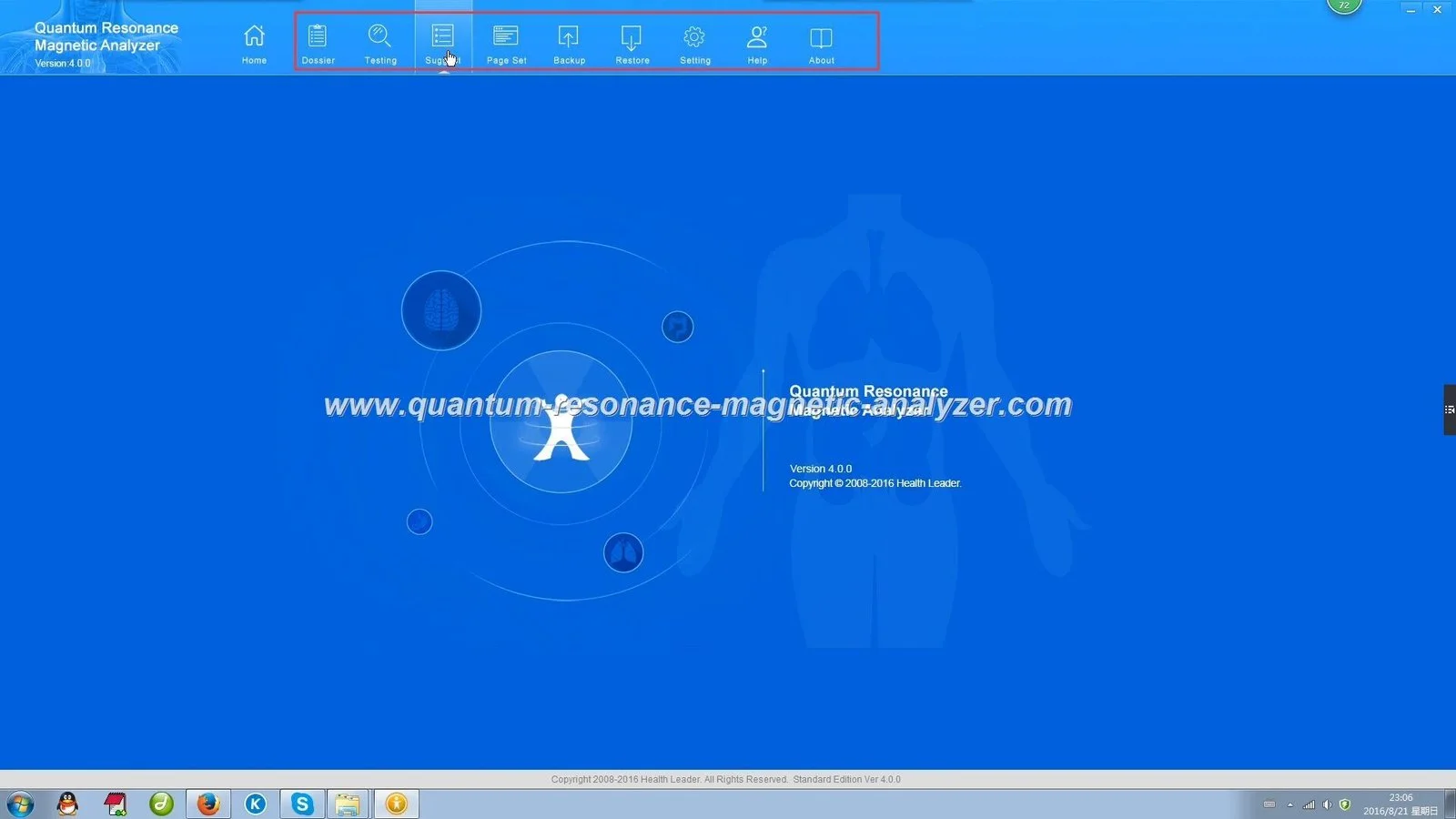
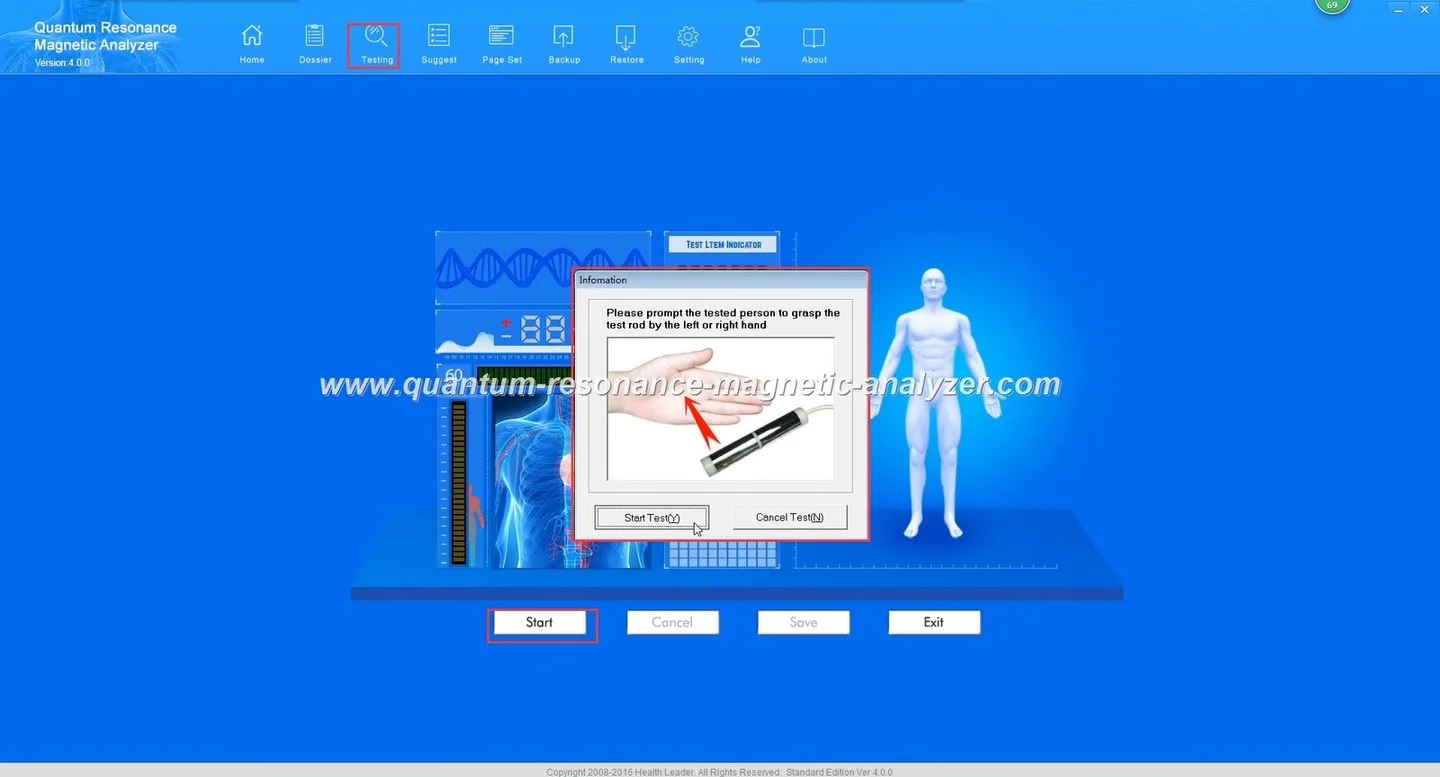
Model and software provenance. Confirm the exact model (MK001) and the shipped software version (Quantum Analyzer Software, 2026). Ask for a demo report generated from the same software build you will receive.
Compatibility and IT requirements. The vendor reports Windows xp/7/8/10/11 support. Confirm which Windows build is recommended for the supplied USB security key and whether the device works on your clinic’s current PCs or needs a dedicated workstation.
Data handling and privacy. Clarify where reports and patient data are stored, how they can be exported, and whether the software supports anonymised records suitable for client follow‑ups under Nigerian data practices.
Certifications and documentation. Request copies of the claimed CE, ISO 9001 and ISO 13485 certificates and ask whether they apply to the production facility, the specific model, or the company’s management system. Do not assume regulatory equivalence to clinical diagnostic devices.
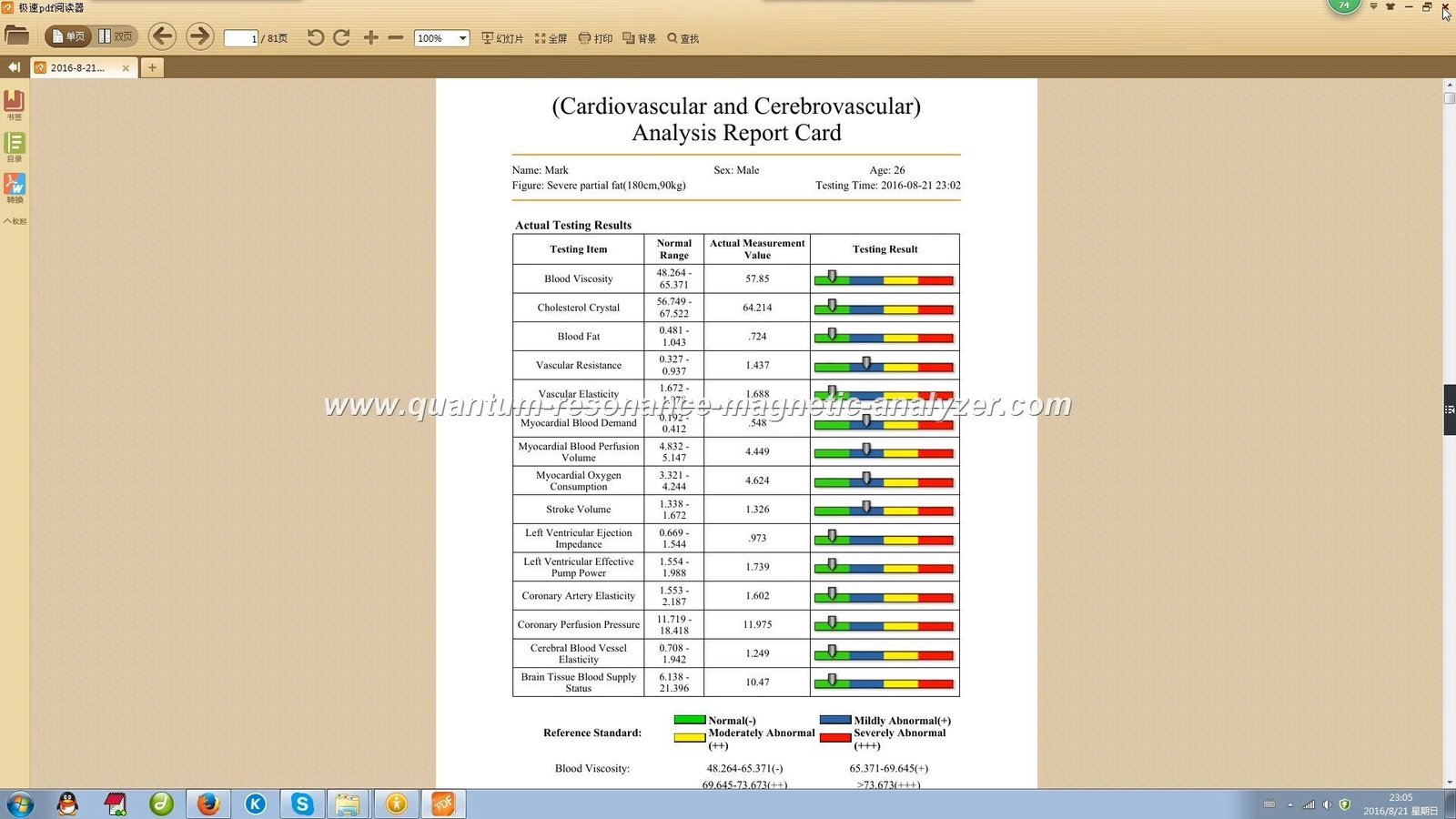
Performance evidence. Ask the supplier for concrete information on the “41‑item report” scope and the methodology behind the quoted 85–90% accuracy figure — including sample size, endpoints and whether accuracy refers to agreement with standard clinical tests.
Support, training and warranty. Confirm the one‑year warranty scope, what is excluded, and whether training for interpretation is part of the package or sold separately.
Logistics and installation. Confirm lead time (supplier lists 2–3 days), shipping costs to your Nigerian clinic, and any local import or electrical compatibility requirements. Our current records do not include Nigeria‑specific installation details, so ask the vendor about local support and electrical setup.
Risks, limitations and suitability boundaries
Magnetic resonance analyzer machine — what chiropractic clinics in Nigeria should know before buying · body
We list practical risks so you can weigh trade‑offs rather than accept broad marketing claims.
Clinical limitation. These analyzers provide screening outputs and should not be used as the sole basis for diagnosing or treating disease. They are most useful when integrated into your existing clinical assessment pathway.
Evidence gaps. Supplier accuracy claims (for example, “85–90%”) are self‑reported. If you require devices that alter treatment decisions, ask for study protocols, raw data, or independent evaluations that relate to the specific report items you will rely on.
Software and compatibility risk. Older supported OS (Windows XP) listed alongside current versions indicates broad compatibility but raises questions about security and update policies. Confirm how software updates are delivered and whether your clinic’s systems meet minimum security standards.
Regulatory and liability. Holding CE or ISO management certificates does not convert a wellness scanner into a regulated medical imaging device. Confirm compliance with Nigerian import regulations and whether local clinical governance requires additional approvals for devices used in patient management.
Interpretation and training. Reports may include many items that require professional interpretation. Budget time and training for chiropractic staff to correctly place report findings within musculoskeletal care plans.
How these facts change your buying decision
If you want a patient‑facing screening tool that drives conversations, MK001’s low MOQ and short lead time favour a trial purchase. If you plan to use the reports to adjust treatment algorithms, insist on validated performance evidence and written scope for warranty and support. If software security and data policies matter to you, push for a signed agreement on data handling and on‑site compatibility checks.
Frequently asked buyer question
Will a magnetic resonance analyzer machine replace X‑ray or MRI?
No. These systems do not replace diagnostic imaging. Use them for screening or wellness reporting, and refer patients for conventional imaging or laboratory tests when indicated.
Next step and quotation requirements
If you want a formal quotation or a recommended configuration for your clinic, please email us with the following details so we can assemble an accurate offer:
Clinic location (city, state) in Nigeria and whether you require local delivery or export documentation.
Intended primary use (patient education, screening, adjunct to treatment).
Requested model or configuration (e.g., Quantum Analyzer MK001) and quantity.
IT environment: Windows version in your clinic or whether you need a supplied workstation.
Any required accessories (printer, additional USB security keys, training sessions).
Important local compliance note: we do not promise that this device meets every regulatory requirement in Nigeria for diagnostic instruments. The information in this article is for health‑management and educational use only and cannot replace professional medical diagnosis. Confirm local import rules and clinical governance obligations before placing an order.
Local disclaimer: The content above is intended for clinic procurement and practice planning. It is not a medical diagnosis, treatment plan, or a substitute for professional medical assessment.
This content is provided for learning, information sharing and professional communication only. It is not medical advice and is not a basis for treatment or diagnosis. Confirm suitability, operation and purchasing requirements against the product manual, local regulations and qualified professional guidance.
Relevant supplier materials we used: company product record for Quantum Analyzer (model MK001) and vendor images of the software reports. If you request a quote, we will provide model paperwork and software demo files on request.