How to evaluate a MAIKONG territory agreement for Nigeria: a practical checklist for regional distributors · body
Quick answer
If you are a regional distributor in Nigeria, you can evaluate a MAIKONG territory agreement now by confirming a short list of high‑impact items: the exact territorial boundary and any overlap rules; whether exclusivity applies and for which customers; realistic sales minimums and how they are measured; pricing and currency terms; stock, lead times and MOQ for MK001; warranty, returns and after‑sales obligations; required marketing or training spend; and Nigeria‑specific regulatory or import responsibilities. Verify each item in writing, quantify delivery and support commitments (lead time 2–3Days, MOQ 1, warranty 1 Year for MK001; see data-fact-id=”118″), and use a staged timeline for negotiation so you can accept, modify or decline specific clauses rather than the entire agreement.
Contents
Direct answer: Can you evaluate a MAIKONG territory agreement for Nigeria now?
Yes. You do not need to sign before evaluating. Start with an itemised checklist that lets you decide on commercial viability quickly: confirm territorial definition, exclusivity scope, minimum purchase obligations, pricing & currency, lead-times and warranty commitments, and what MAIKONG will deliver in training, marketing and software support. Use those answers to produce a simple financial model (margin, break‑even stock, working capital) and a practical launch plan for the largest city clusters you intend to cover.
What a distributor territory agreement usually covers — plain terms for Nigerian partners
Territory agreements vary, but Nigerian distributors should focus on the clauses that affect cash, control and operational risk. Key categories are:
Territory definition: geographic boundaries, account carve‑outs (e.g., national accounts, e‑commerce), and duration.
Exclusivity and non‑compete: whether exclusivity is full, partial or conditional on meeting KPIs and turnover.
Commercials: pricing mechanics, currency of invoice, discounts, minimum order quantities (MOQs) and minimum annual purchases.
Logistics: lead times, stock allocation, shipping terms (Incoterms), and responsibility for import duties.
Support & IP: training, software licences, branded materials and permitted local marketing use.
Performance & exit: realistic KPIs, remedies for underperformance, renewal mechanics, and dispute resolution.
We recommend that each clause be tied to measurable thresholds (dates, units, naira or USD amounts) so an independent accountant or lawyer can validate your projections and obligations.
MAIKONG facts you can cite when evaluating territory terms
Use MAIKONG’s self‑reported facts to test what the supplier must deliver. These are company statements and should be written into the agreement where they matter (stock, lead time, software updates):
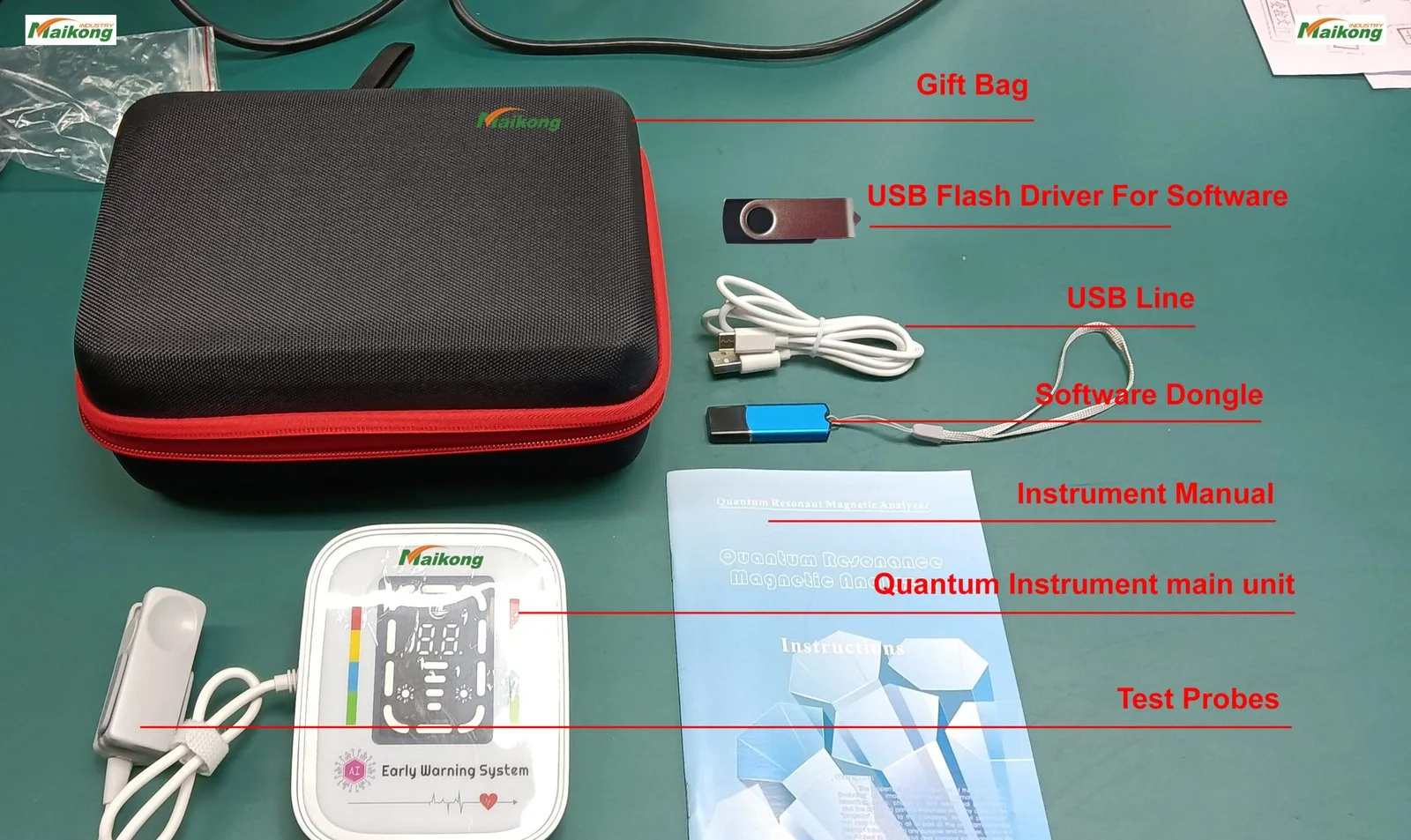
Company: MAIKONG Industry Co.,Ltd, manufacturer of quantum resonance magnetic analyzers (enterprise self‑reported).
Model to reference: Quantum Analyzer MK001 — product line “Quantum Analyzer” and software “Quantum Analyzer Software” version 2026. Refer to the MK001 model name directly in the contract so obligations are model‑specific (data-fact-id=”118″).
Commercial terms (company snapshot): price range USD 100–500 (inquiry required for exact quote), MOQ 1, lead time 2-3Days, warranty 1 Year (data-fact-id=”118″).
Declared certifications: ISO 9001, CE, ISO 13485 (company declaration—use for supplier due diligence, not as regulatory clearance for sale in Nigeria).
Support claims: ready stock availability, OEM customisation, multilingual support (30+ languages) and lifetime free software upgrades (enterprise self‑reported). Insert these items into the agreement where they reduce risk (e.g., guaranteed stock quantity at launch).
Where MAIKONG makes a delivery or availability promise, insist on measurable remedies (credit, replacement lead time, or termination rights) rather than informal assurances.
Key MK001 commercial facts (cite for contract)
Field
Value
Model
MK001
Software
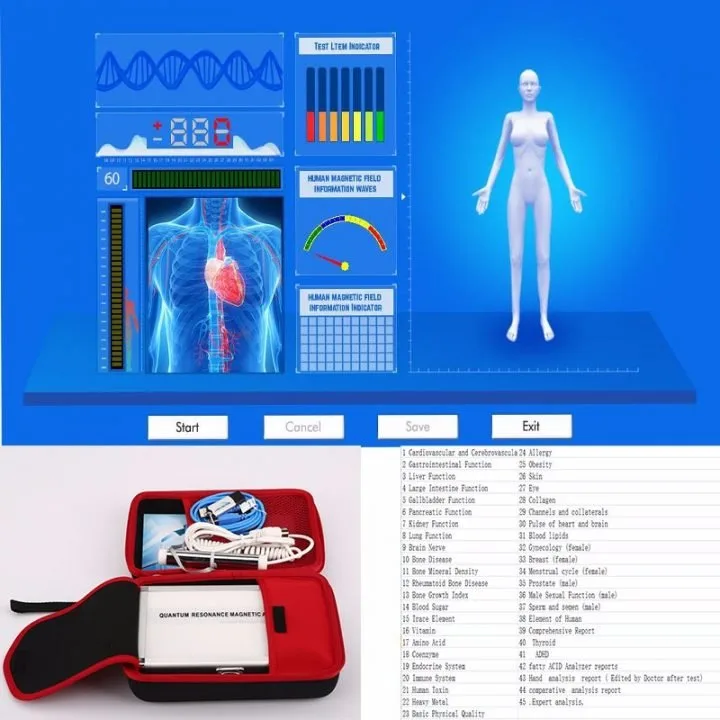
Quantum Analyzer Software, version 2026 (supports Windows xp/7/8/10/11)
MOQ
1
Lead time
2-3Days
Warranty
1 Year
Price
Range USD 100–500 (pricing on inquiry)
Checklist to assess market opportunity in Nigeria
How to evaluate a MAIKONG territory agreement for Nigeria: a practical checklist for regional distributors · body
Before you commit to exclusivity, run this rapid local validation:
Demand mapping: estimate buyer segments (clinics, wellness chains, pharmacies, corporate wellness, high‑traffic malls). Prioritise segments where you already have relationships.
Pricing sensitivity: test willingness to pay in your core cities and for the two most likely service packages (device only; device + software + training + reports).
Competitor scan: list local and imported alternatives and how they are sold (capital sale vs. subscription vs. pay‑per‑scan).
Distribution economics: calculate landed cost (FOB + shipping, import duty, clearance, transport, local taxes), target margins and break‑even sales volume for the first 12 months.
Service footprint: confirm where you need local technical staff and spare parts; plan first‑line support inside Nigeria or via trained subcontractors.
Commercial terms to prioritise and how to read them
Exclusivity
Ask for a precise exclusivity map. Avoid broad wording like “exclusive for Nigeria” without account carve‑outs and a mechanism for resolving cross‑border sales. If MAIKONG requires exclusivity, negotiate conditional exclusivity tied to concrete minimums and marketing commitments.
Minimums and pricing
Minimums should reflect realistic early volumes. If monthly or annual minimums are high, request a tiered ramp with lower first‑year targets. For pricing, insist the agreement defines base wholesale price, volume discounts and who controls end‑customer pricing.
Currency and payment
Prefer contract currency in USD for supplier invoices with a clear statement of who bears FX risk. For Nigerian naira collections, include a conversion mechanism and an agreed window for remittance to MAIKONG.
Operational terms to verify before signing
Stock & lead time: require a defined stock commitment at launch and confirm the quoted lead time (2‑3Days for MK001) in writing (data-fact-id=”118″).
Warranty & returns: ensure the warranty scope, claim process and return shipping responsibility are contractised. One‑year warranty for MK001 should specify on‑site or carry‑in terms and exceptions (software, consumables).
After‑sales & training: include scheduled initial training for sales and technical staff, plus access to updates and documentation. If MAIKONG offers OEM or customised reports, set delivery deadlines and testing acceptance criteria.
Spare parts & repairs: require guaranteed availability of key spares and defined repair turnaround targets to avoid long downtimes for clients.
Regulatory and legal checkpoints specific to Nigeria
MAIKONG’s company claims include CE and ISO declarations; you must still confirm Nigeria‑specific obligations. Ask MAIKONG for these items in writing:
Technical documentation useful for registration with NAFDAC or any applicable regulator. If that documentation is not available, the agreement should state who will obtain local approvals and at whose cost.
Label and marketing claims limits: require pre‑approval of marketing copy and local labelling so you do not run afoul of regulatory rules.
Import support: clarify whether MAIKONG supplies HS codes, packing lists and any CIF/FOB arrangements for customs clearance.
Support, branding and technical obligations to negotiate
Put the following into the contract if they matter for your launch:
Training: number of trainer days, training materials language (we report multilingual support across 30+ languages), and whether follow‑up training is included.
Software localisation: confirm whether the Quantum Analyzer Software (2026) will be localised, who owns customisations and whether MAIKONG will provide source files or compiled builds.
Demo units and marketing assets: request launch support in the form of demo units, branded collateral and digital assets, with delivery dates.
OEM/custom branding: if you plan to rebrand reports or devices, get written permission and a list of allowed modifications.
Performance measurement and enforcement: realistic KPIs for Nigeria
Set measurable, realistic KPIs tied to the local market cycle. Avoid vague performance clauses. Useful KPIs include:
Units sold or deployed per quarter (with a tiered ramp).
Number of trained technicians and certified service centres.
Marketing activities delivered (events, webinars, local language campaigns).
Customer satisfaction and average repair turnaround time.
For enforcement, prefer graduated remedies: cure period → specific performance obligations → limited termination rights. Ask for arbitration in a neutral seat acceptable to both parties.
Common red flags and negotiation levers
Vague territory wording (e.g., “West Africa” without clear country or city limits).
Open non‑compete windows that bind you to indefinite restrictions after termination.
Unilateral price control by the supplier without an agreed formula or consultation mechanism.
High undiscounted minimums with no ramp or market‑testing clause.
No remedy for late or incomplete delivery of stock, training or software builds.
Levers to use: ask for trial exclusivity (6–12 months), launch pricing protection, initial consignment stock, and a right to exit with limited penalties if MAIKONG fails core commitments.
Suggested negotiation steps and a sample timeline
Initial information request (days 1–7): ask for the draft agreement, MK001 pricing, warranty terms and stock commitment.
Due diligence (days 7–21): validate landed cost, regulatory documents and references; model cash flow for first 12 months.
Redline & negotiate (days 21–35): submit prioritized redlines—territory map, exclusivity conditions, minimums, lead times and remedy clauses.
Pilot & launch terms (days 35–60): agree a pilot volume or consignment and a marketing plan with defined milestones.
Signed agreement & kickoff (after day 60): begin training, shipment and local registration workstreams.
This timeline is a baseline—adjust based on import, regulatory or bespoke software localisation work.
Questions to ask MAIKONG before you sign — ready‑to‑send list
Use or adapt this list when you request a territory proposal:
Confirm model specifics for MK001: current lead time, MOQ and warranty in writing (we reference MK001 data above; data-fact-id=”118″).
Provide a sample territory map and confirm whether MAIKONG will sell directly or appoint other partners in Nigeria.
Detail initial launch support: demo units, training days, marketing collateral and localisation capabilities.
Supply technical files necessary for Nigerian regulatory registration and clarify who bears the cost of registration.
Clarify pricing policy for distributors, volume discounts, and permitted end‑customer pricing guidance.
State spare parts availability and repair turnaround targets, and provide an SLA template.
Offer examples of standard dispute resolution clauses and suggested arbitration seats.
Evidence
The contract evaluation above uses MAIKONG’s enterprise self‑reported profile and the MK001 product snapshot. For the MK001 we reference the provided product facts: model MK001, Quantum Analyzer Software (2026), MOQ 1, lead time 2‑3Days and warranty 1 Year (data-fact-id=”118″). Company declarations (certifications, software upgrades, multilingual support) are noted as MAIKONG statements and should be written into any commercial agreement where they affect risk transfer.
Risks and limitations
Company statements are self‑reported. We have not independently verified certification scope, claimed accuracy or regulatory clearance for Nigeria. Pricing ranges are indicative; a current written quotation is required. Where the agreement refers to regulatory approvals, warranty coverage or software behaviour, insist on explicit contract language because supplier statements alone do not substitute for contractual remedies.
One practical next step
If you want a territory proposal adapted to your Nigerian region and sales plan, request a formal offer that lists the negotiated points above. Send us your preferred territory map, expected first‑year volumes and any special requirements for OEM branding or software localisation.
Contact MAIKONG sales: lucy@quantumanalyzer.ng or WhatsApp/phone +8613510907401 to request a tailored territory proposal and a current quote for MK001.
Local compliance note
This content is for distributor evaluation and business planning only. Product statements are MAIKONG’s self‑reported information. The device and its reports are intended for health management and educational use and do not replace professional medical diagnosis or treatment. Verify any regulatory or clinical requirements with the appropriate Nigerian authorities and qualified professionals before marketing or clinical use.
Learn more about our company and capabilities at MAIKONG about us.
This content is provided for learning, information sharing and professional communication only. It is not medical advice and is not a basis for treatment or diagnosis. Confirm suitability, operation and purchasing requirements against the product manual, local regulations and qualified professional guidance.