
Categories
- FQA (227)
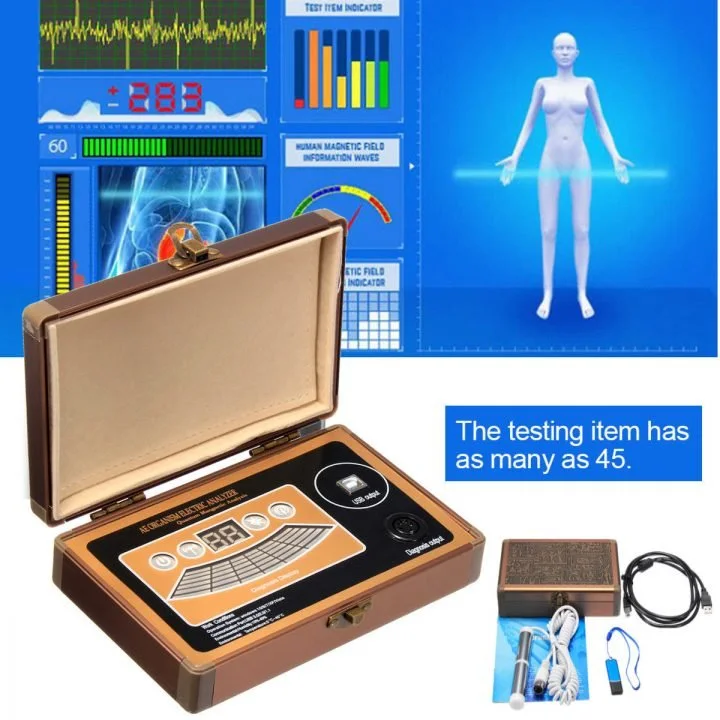
Keep a small core of critical spares on hand (power adaptors, USB/cable replacement, main user‑interface components if removable), a rotating stock of common consumables and peripheral cables, and technician service kits for on‑site repairs. Size initial lines using a simple formula (see “Step‑by‑step method” below) that converts expected devices under support and an assumed failure rate into required quantities; then adjust with field data after 3–6 months. For Nigeria, account for longer sea‑freight lead times and customs delays in your reorder point and keep one-to-two emergency replacements per 50 devices for high‑impact parts.
This article is written for regional distributors in Nigeria who are responsible for stocking and supplying MAIKONG devices and parts to clinics, pharmacies and mobile screening teams. We assume you will set local service levels rather than follow a fixed factory procurement model: the recommendations focus on balancing working capital against repair turnaround time in the Nigerian market.
Before you buy parts, decide the single operational objective that will drive stock levels. Typical choices are:
Pick a target repair turnaround (for example: parts arrive and units are repaired within X days). That target, together with expected failure frequency, defines your reorder and safety stock. We recommend defining one target per outlet type (mobile teams, small clinic, pharmacy) because their tolerances differ.

Organise stock into three practical groups so procurement, pricing and storage rules can differ:
Parts whose failure stops testing and requires immediate swap: external power adaptor, primary interconnect cables, user‑interface modules (if removable), single‑board computer or mainboard spares where field board replacement is supported. Hold at least one emergency unit per site cluster where downtime is costly.
Items that wear or are lost frequently: USB data sticks, patient probe pads or electrodes (if used), spare probes/cables, replacement fuses and standard connectors. These rotate quickly and should be replenished often.
Keep replacement installation media or licensed USB keys, multilingual user guides and a local copy of the latest firmware update files. MAIKONG reports multilingual support across 30+ languages; keep the local language packages and staff quick‑reference sheets with parts codes.
Map each part to two practical attributes: failure probability and business impact (how many patients/tests are lost if the part fails). Classify parts into High/Medium/Low impact. Prioritise stocking High‑impact, High‑probability items first.
Example mapping (illustrative categories rather than exhaustive): a faulty power adaptor is high probability/high impact; a cosmetic bezel is low impact/low probability; a USB cable is medium probability/medium impact.
Use this variable‑based method to produce a defensible starting point:
Required = ceil( N * F * (TR + LT) / 365 )
This gives working stock to cover failures occurring during the time taken to repair and replenish.
Use the formula per part category: critical parts will receive higher F or higher k. Recalculate after each quarter using actual failures to replace assumptions with measured rates.
After you begin support, record three fields per incident: part replaced, time from fault report to resolution, and shipment lead time. After three months you will have a reliable F per part and actual LT. Replace your initial assumptions in the formula and rebalance stock levels. If a part’s observed failure frequency is below expectation, reduce reorder quantities; if lead times are longer than planned (common with sea shipments or customs holds), increase safety stock and consider air‑freight for critical items.
Implement these practical rules tailored to local constraints:
Tailor kits to the operating environment.
Quantities are starting templates; scale by device count and footfall. Keep one technician kit per field engineer including calibrated tools and a parts list indexed to device serial numbers for warranty traceability.
Storage rules that protect parts and support warranty traceability:
MAIKONG reports multilingual support across 30+ languages; provide local language quick guides and short operator training focused on handling, connection checks and pre‑use inspection. Many “faults” are connector or user errors — inexpensive training materials and a 10–15 minute checklist per operator cut needless part replacements and returns.
The procedural recommendations above are standard spare‑parts planning methods adapted for distributor operations in Nigeria. Where we reference MAIKONG capabilities (multilingual support, product family names and declared certifications), these are drawn from MAIKONG enterprise information and presented as the company’s declarations.
Our recommendations do not assume specific parts lists for particular MAIKONG models; you must confirm model‑specific spares (mainboard part numbers, probe part codes) on each quotation. We have not provided factory prices — pricing is available on inquiry. Storage and transit lead‑time guidance is practical advice for Nigeria, not a guaranteed delivery schedule. Do not rely on this content as medical or clinical guidance; device use and report interpretation must follow local regulations and qualified professional oversight.
When you email for a quote, include these concise items to speed a correct reply:
Do not include price expectations; request a formal proforma so you can compare landed cost including freight and import duties.
Pricing and specific part numbers are supplied on request. For a tailored quotation or configuration advice, email lucy@quantumanalyzer.ng with your device mix, destination in Nigeria, estimated annual service volume and preferred shipment terms. We will provide a parts quotation and a recommended starter kit.
Localized disclaimer: This content is for operational and health‑management reference only and does not replace professional medical diagnosis or treatment. We do not promise diagnostic, treatment or cure outcomes.
This content is provided for learning, information sharing and professional communication only. It is not medical advice and is not a basis for treatment or diagnosis. Confirm suitability, operation and purchasing requirements against the product manual, local regulations and qualified professional guidance.