FDA warnings on quantum resonance magnetic analyzers: practical guidance for Nigerian naturopathic clinics · body
Quick answer
An FDA warning about a quantum resonance magnetic analyzer does not automatically ban its use in Nigeria, but it is a signal you should treat seriously: confirm whether the warning names your exact model, verify the device’s intended use and local registration (NAFDAC), and stop using any unit if the notice describes safety or mislabeling that matches your equipment. For an immediate response, check the FDA databases listed below, ask your supplier for the exact model paperwork and software build, and inform clients clearly about the device’s screening-only purpose while you investigate.
Contents
Direct answer: can FDA warnings affect my use of quantum resonance magnetic analyzers in Nigeria?
Short version: an FDA advisory is authoritative in the United States and can influence international purchasers, importers and insurers; it does not by itself change Nigerian law. Practically, though, an FDA warning can affect your clinic if any of the following apply: the warning names your model or software; your supplier imports components or software from the U.S.; or your advertising claims mirror those the FDA has flagged (for example, promoting diagnosis or treatment). In any of those cases we advise pausing use until you confirm whether the advisory applies to your exact device and configuration.
What an FDA warning usually means — practical, non‑legal explanation for practitioners
The U.S. Food and Drug Administration issues warnings for different reasons: misbranding (claims that a device diagnoses or treats when it isn’t cleared to do so), unsafe design or manufacturing problems, software vulnerabilities, or distribution problems. For clinics outside the U.S., the practical effects are:
Reputational: patients and professional peers may question a device’s reliability.
Supplier disruption: manufacturers may stop shipping affected units or withdraw software updates.
Import/clearance issues: importers and customs can detain devices tied to safety notices.
Insurance and liability: insurers and regulators may require extra documentation or pause coverage for services involving the device.
None of these automatically forbids use in Nigeria, but each can materially change your clinic’s risk profile and the practical ability to operate the device.
How to check whether a specific model is the subject of an FDA warning (step‑by‑step)
Follow these steps to confirm if a named warning applies to your unit:
Search the FDA enforcement and recall pages for the model name and supplier; use exact strings (manufacturer + model). Also check MedWatch safety alerts and the 510(k) database for clearance status if the device claims diagnostic use.
If you find an FDA warning, read the notice carefully for scope: does it cite misbranding, unauthorized claims, manufacturing defects or software issues? Compare that text to your device identifiers and how you use the device in clinic.
If you don’t find a match, ask your supplier for a written statement confirming that the model and software you own are not subject to any FDA advisory; request copies of any corrective actions or software patches.
Keep a dated record of your searches and correspondence—this is practical evidence if regulators or a patient asks why you continued use or paused it.
How to verify a device’s regulatory or certification claims (what to ask suppliers)
When evaluating a supplier’s documents, request originals or certified copies for the following items and confirm the exact model or serial number those documents cover:
Scope of certification (for example, CE on which directive?); certificates should state the holder name and the product designation.
Manufacturing quality system certificates claimed by the supplier (ISO 9001, ISO 13485) — ask for the certificate number and issuing body.
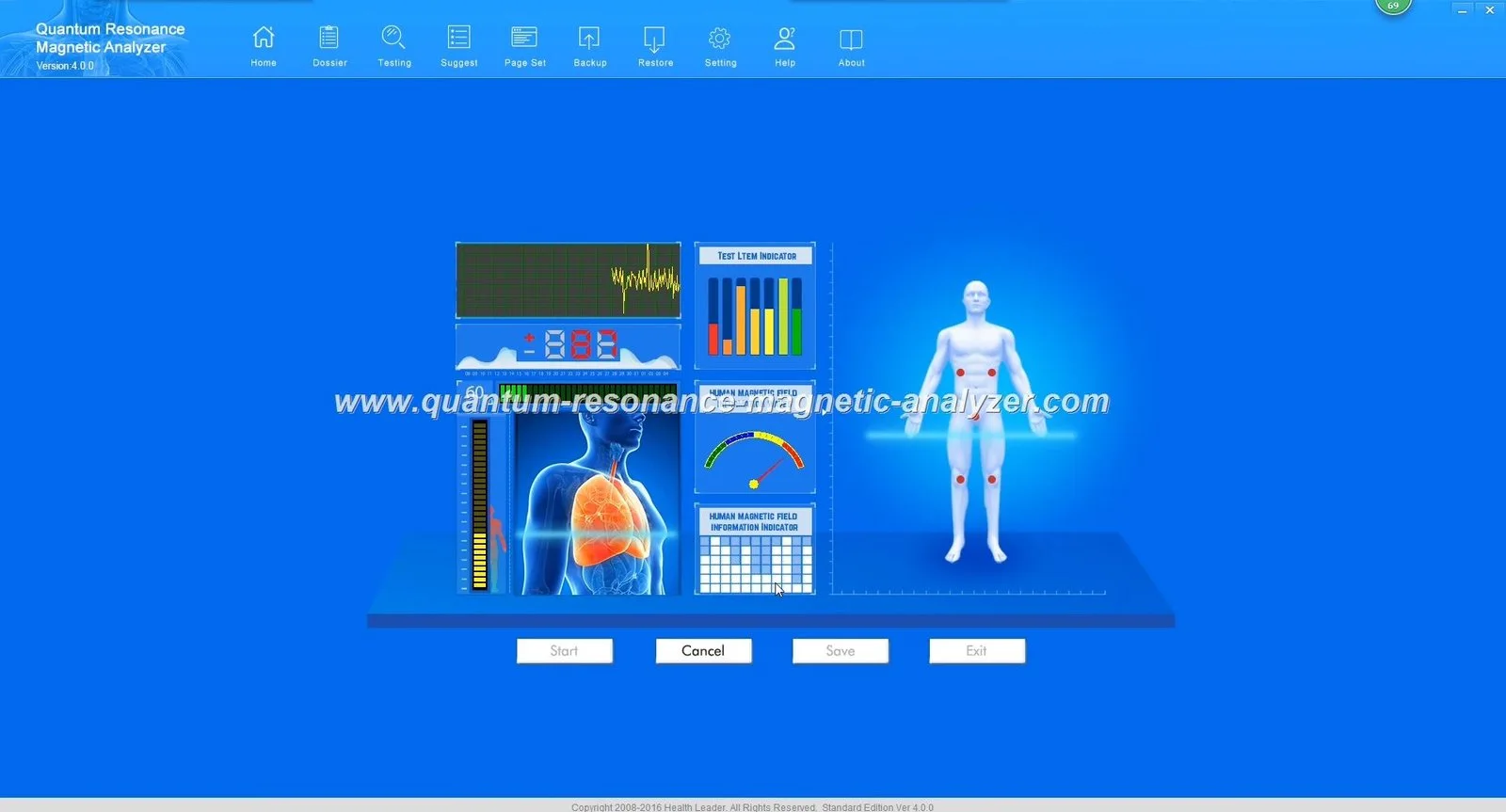
Software documentation showing version numbers and release notes (installable software labeled “Quantum Analyzer Software 2026” should have release notes and change history).
Instructions for intended use and labelling — check whether the manual or brochure claims diagnosis, screening, or treatment; claims beyond “health management” increase regulatory risk.
Post‑market surveillance or field corrective action notices — any history of product advisories or voluntary recalls.
These items let you compare what the supplier claims with what regulators have flagged. If a supplier cannot produce clear, model‑specific paperwork, treat that as a red flag.
Practical risks and limits you must communicate to clients in Nigeria
When using a quantum resonance magnetic analyzer in a naturopathic setting, clearly communicate practical limits. Suggested client language you can adapt:
“This device provides non‑invasive screening information for health management and wellness education only. It is not a medical diagnostic tool and does not replace clinical tests or medical advice.”
Make sure clients understand that results are screening-level and that you will refer them for conventional medical testing when clinically indicated. If an FDA or other regulator issues an advisory about any component of your device, add a brief statement that you are investigating the notice and will pause use if the advisory explicitly matches your unit.
Safe-practice steps for naturopathic clinics using quantum analyzers
These are practical clinic controls we recommend:
Obtain informed written consent that states the device’s screening role and limitations.
Display signage in the testing room: “Screening tool — not a diagnosis.”
Keep device documentation, software change logs and supplier correspondence in a maintenance file.
Train staff on when to escalate a result to conventional medical referral; document referral thresholds in clinic policy.
Do not advertise the device as diagnosing or treating conditions listed in local medical regulations.
When to pause using a device and who to contact for clarification
Pause use immediately if any of the following are true:
The FDA or another regulator explicitly names your exact model number or serial range.
Your supplier issues a field correction, safety notice or software rollback that you cannot implement safely.
You identify a software build mismatch or unexplained behavior that could affect result integrity.
Supplier technical support (request written confirmation of safe operation and remediation steps).
NAFDAC (to confirm local registration and any local advisories).
Clinical colleagues or a qualified biomedical engineer before resuming use.
Local considerations in Nigeria: where regulatory caution matters most for practice
Nigeria’s regulator, NAFDAC, handles medical device registration and import clearance. Even where an FDA notice originates in the U.S., NAFDAC or customs may act on the same information. From a practice standpoint, pay attention to:
Import documentation — ensure the importer can show clearance or an exemption.
Advertising compliance — claims of diagnosis or cure may attract enforcement regardless of device origin.
Patient safety pathways — ensure your clinic has a referral plan if a screening suggests urgent clinical follow-up.
One‑page checklist you can use now to respond to a regulatory advisory (quick actions)
Identify unit: model, serial, software version (e.g., MK001, Software 2026).
Search FDA enforcement, recall and MedWatch notices for exact matches.
Search NAFDAC advisories and your importer’s paperwork.
Contact supplier and request model‑specific certificates and any corrective action documentation.
Inform clients in writing if an advisory affects the device; pause use if the advisory matches your unit.
Record all steps and communications for compliance and patient records.
FAQ — short follow‑ups likely for naturopathic clinics
Does an FDA warning mean the device is dangerous to patients?
Not always. Some advisories address labeling or unsupported claims rather than an immediate safety hazard. The text of the advisory determines whether patient safety is implicated. Treat any advisory as potentially consequential and verify its scope against your model.
Should I stop offering scans until the matter is resolved?
If the advisory names your model, if you cannot obtain clear supplier documentation, or if the advisory describes a safety issue matching your device, pause use. For labeling or marketing issues you may be able to continue with corrected client communications—seek written supplier confirmation first.
Next step: request model‑specific compliance details or a configuration/quote
We provide this guidance to help you assess regulatory advisories and protect patients. Our company declares the MK001 model and Software 2026 as product identifiers; those are company statements and not regulatory approvals. If critical certification documents are missing from your supplier, seek independent technical or legal advice before relying on device output for clinical decisions.
Local disclaimer: this content is for health‑management and educational reference only and does not replace professional medical diagnosis or treatment. Do not promise diagnosis, treatment or cure based on these devices.
This content is provided for learning, information sharing and professional communication only. It is not medical advice and is not a basis for treatment or diagnosis. Confirm suitability, operation and purchasing requirements against the product manual, local regulations and qualified professional guidance.
If you want MAIKONG documentation for the unit you use or a clinic‑ready quote, request the exact model/serial number and software build. We will provide model‑specific paperwork and configuration options on inquiry; pricing and configurations are quoted per request. Contact our sales team: