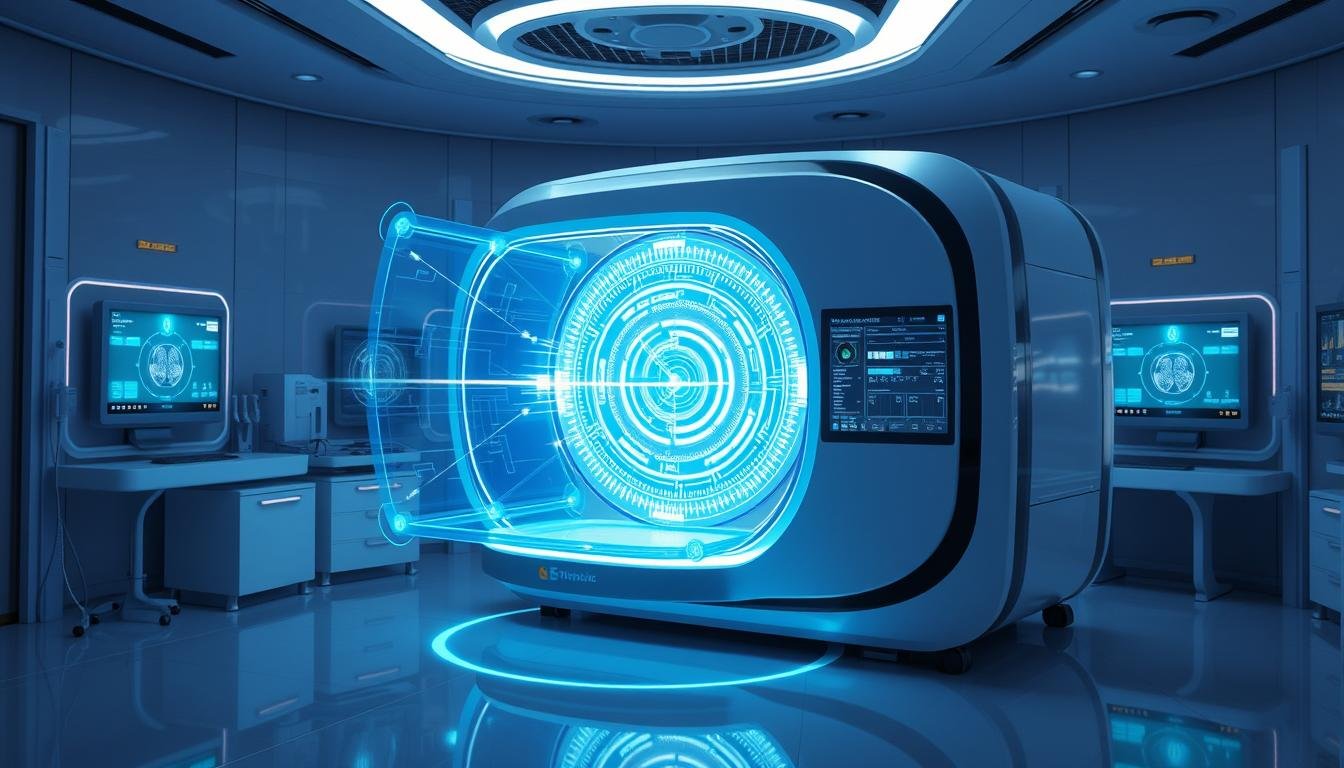
The Quantum Resonance Magnetic Analyzer represents a significant advancement in non-invasive diagnostic technology. By harnessing principles of quantum physics and bioelectric resonance, this sophisticated device offers comprehensive health assessments through analyzing the body’s electromagnetic field patterns. This article explores the underlying technology, components, and applications of this innovative diagnostic tool that’s gaining attention in both clinical and research settings.
Introduction to Quantum Resonance Magnetic Analyzer Technology
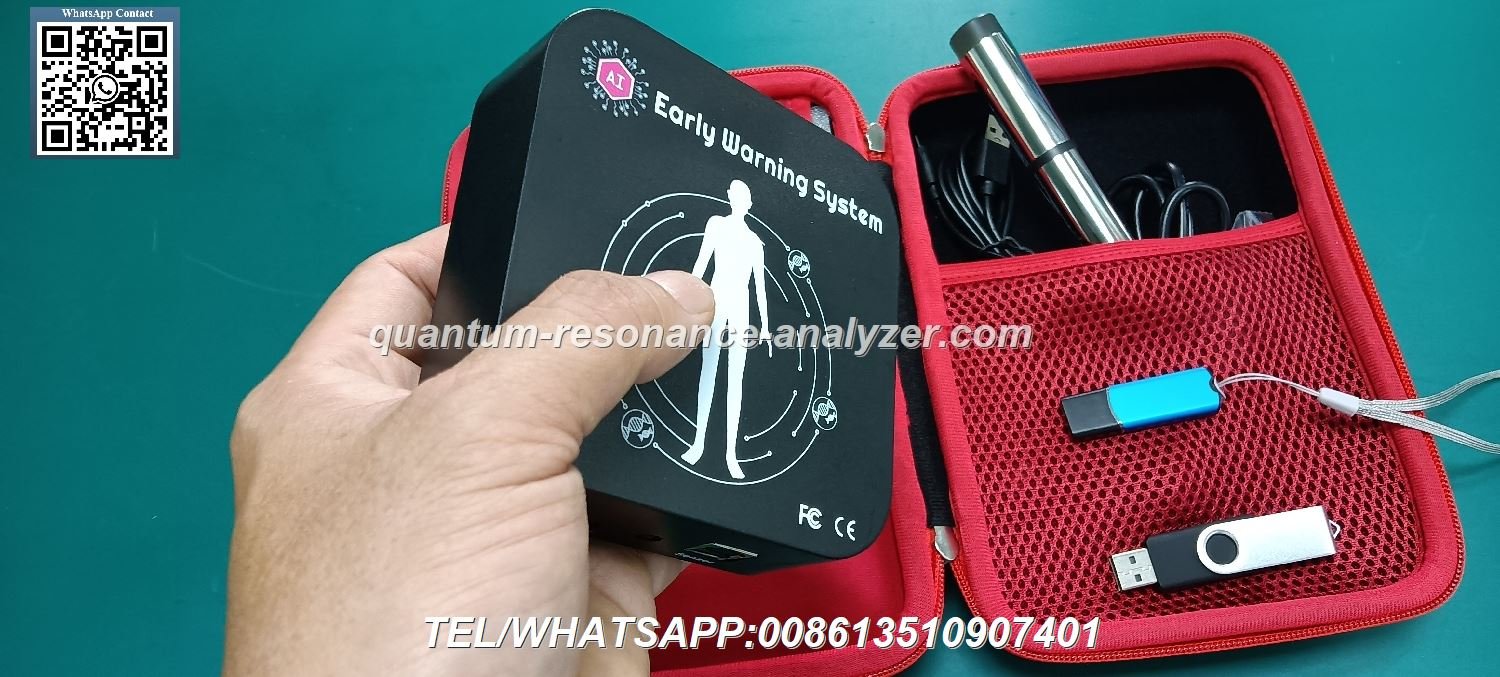
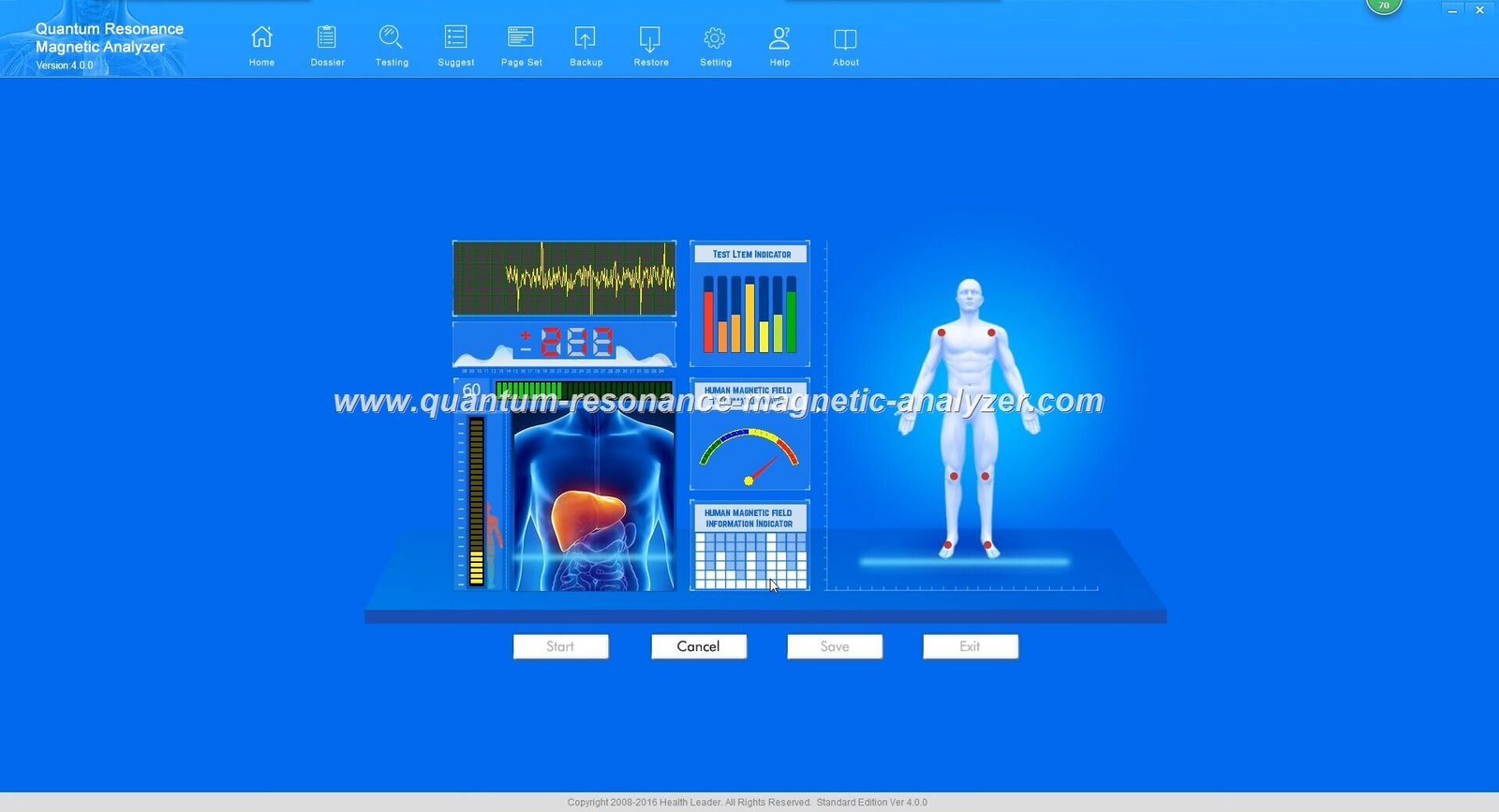
The modern Quantum Resonance Magnetic Analyzer system with digital interface
The Quantum Resonance Magnetic Analyzer operates on the principle that all matter, including human cells and organs, continuously emits electromagnetic waves. These waves contain valuable information about the structural and functional state of the body’s systems. The analyzer detects these subtle energy patterns, processes them through sophisticated algorithms, and generates comprehensive health reports.
Unlike conventional diagnostic methods that often require invasive procedures or multiple tests, this technology offers a holistic assessment through a single, non-invasive scanning process. The device measures quantum resonance signals from the body’s cells, providing insights into various health parameters across multiple body systems.
Experience Advanced Diagnostic Technology
Discover how the Quantum Resonance Magnetic Analyzer can transform your approach to health assessment with comprehensive, non-invasive analysis.
The foundation of the Quantum Resonance Magnetic Analyzer lies in quantum physics and bioresonance theory. Every substance in the universe has its unique electromagnetic frequency signature. When these frequencies interact, resonance occurs between matching frequency patterns.
Quantum Superposition in Analysis
Quantum superposition—a fundamental principle in quantum mechanics—plays a crucial role in how the analyzer functions. It allows the device to simultaneously process multiple frequency states, enabling comprehensive assessment of various body systems in a single scan. The analyzer utilizes this principle to detect subtle variations in the body’s electromagnetic field that may indicate imbalances or potential health concerns.
Electromagnetic Field Measurement Methods
The Quantum Resonance Magnetic Analyzer employs several sophisticated methods to measure electromagnetic fields:
Frequency spectrum analysis that detects variations across multiple wavelengths
Phase coherence measurement to evaluate signal stability and patterns
Amplitude modulation assessment for signal strength evaluation
Harmonic resonance detection to identify frequency relationships
Interference pattern analysis to detect anomalies in wave formations
These measurement techniques allow the device to collect detailed information about the body’s electromagnetic field, which is then processed through proprietary algorithms to generate health assessments.
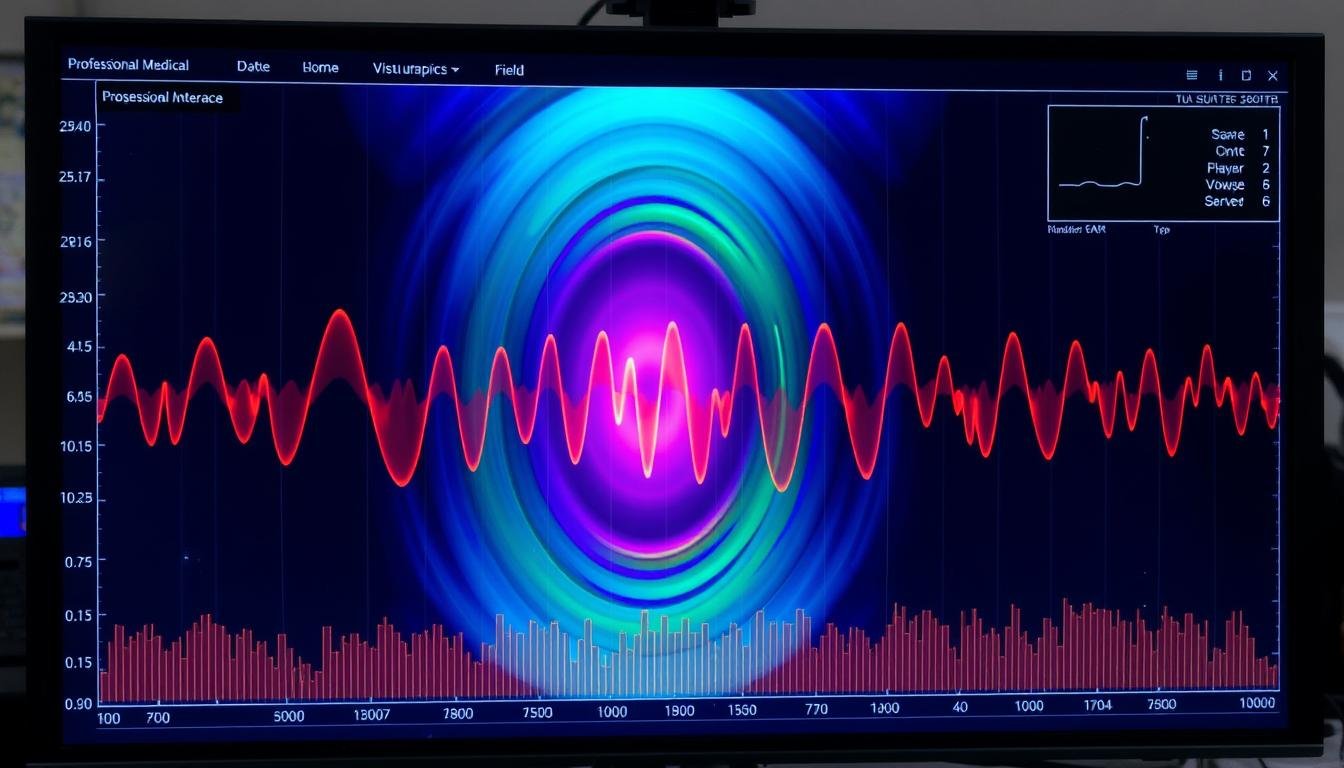
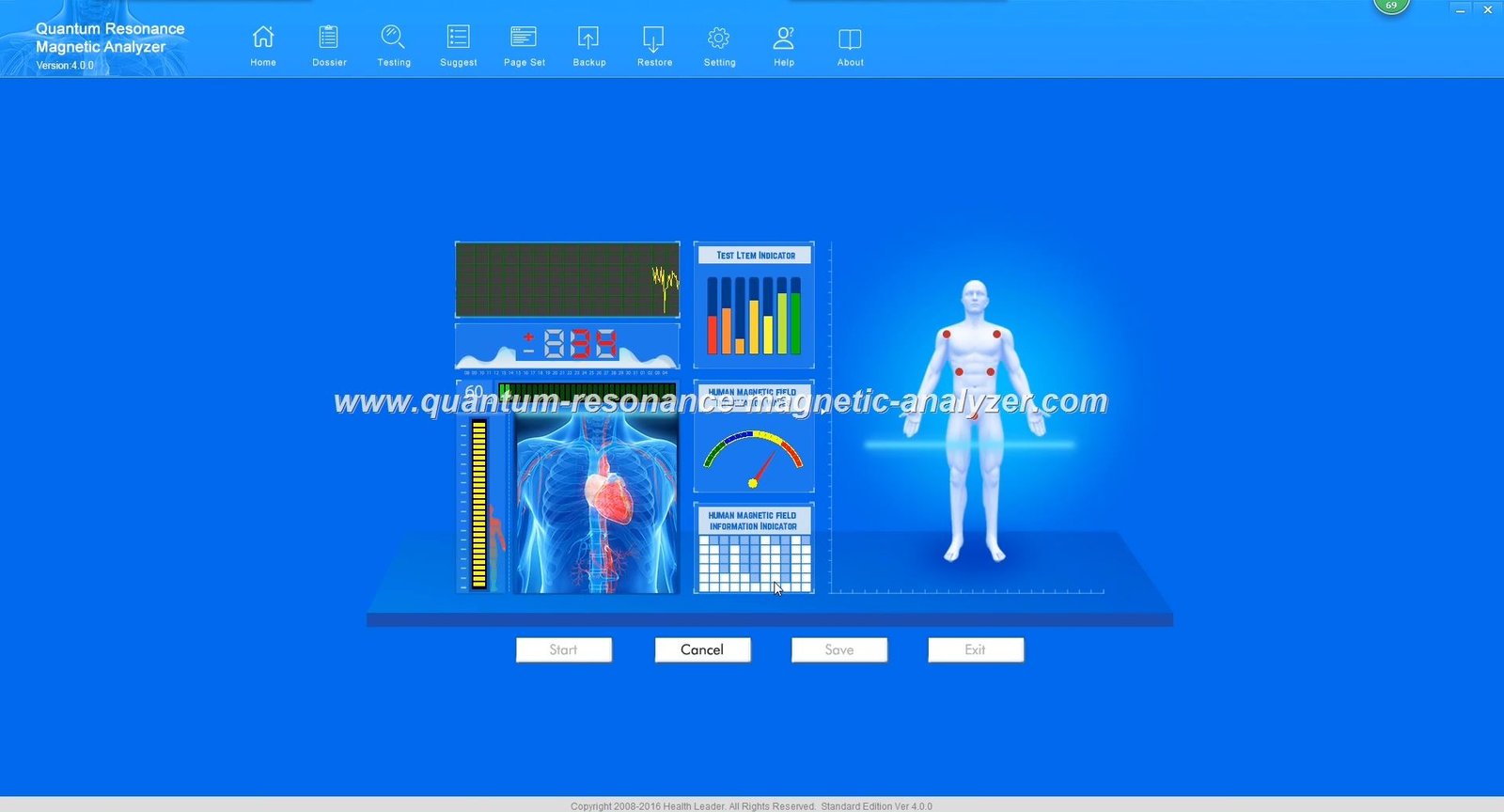
Visualization of electromagnetic field measurements and analysis
Hardware Components of the Quantum Resonance Magnetic Analyzer
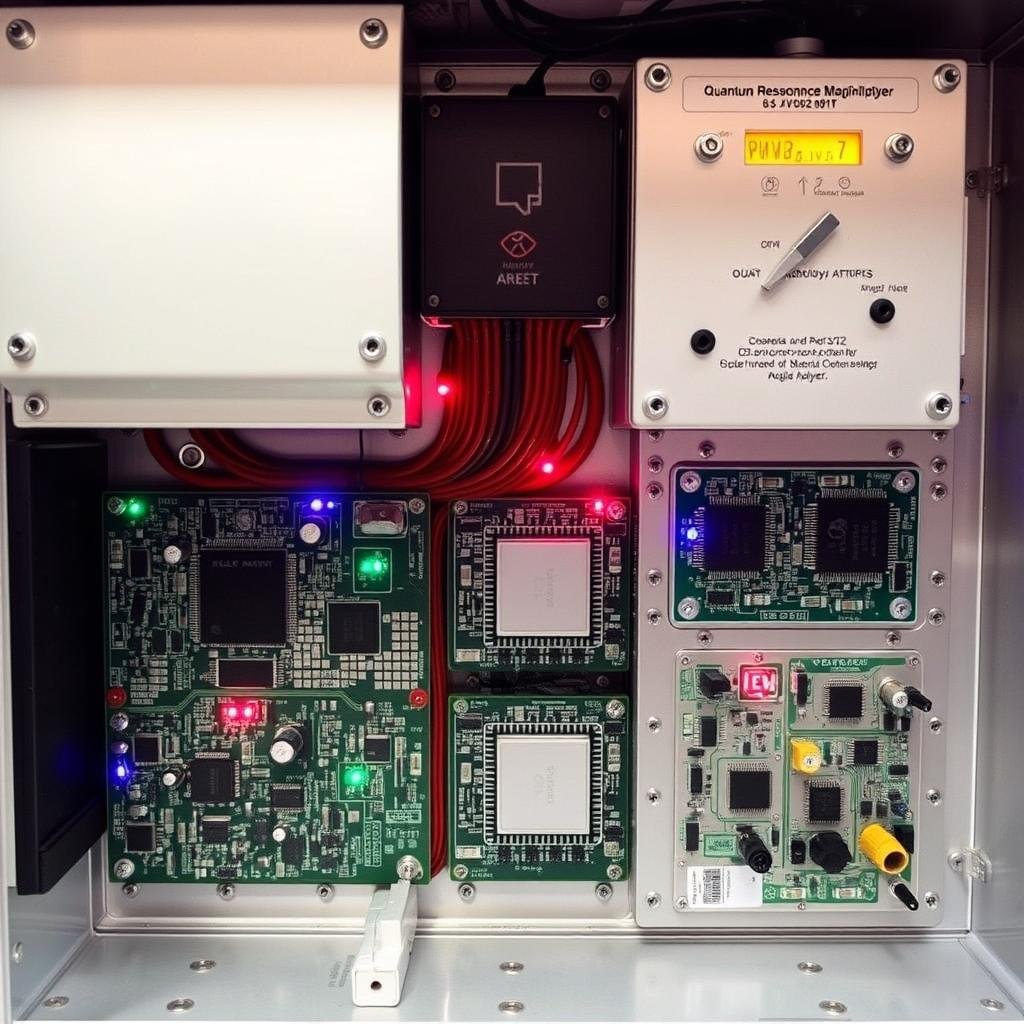
The physical architecture of the Quantum Resonance Magnetic Analyzer consists of several key components that work together to capture, process, and interpret bioelectric signals from the body.
Sensor Interface
Advanced biofeedback sensors that detect minute electromagnetic variations. These typically include hand sensors, electrode pads, or probe attachments that make contact with specific points on the body.
Signal Processor
Sophisticated circuitry that amplifies, filters, and digitizes the weak bioelectric signals collected from the body. This component ensures signal clarity and removes environmental noise.
Computing Interface
Dedicated hardware that runs the analytical software, processes the digital signals, and generates comprehensive health reports. Modern systems often connect to standard computers via USB.
Technical Specifications
Component
Specification
Function
Sensor Sensitivity
0.1-100 μV range
Detects minute bioelectric potentials
Frequency Range
1 Hz – 100 kHz
Captures full spectrum of biological signals
Signal Processing
24-bit ADC resolution
Ensures accurate digital conversion
Power Requirements
5V DC, USB powered
Enables portable operation
Data Transfer
USB 3.0 / Bluetooth 5.0
Facilitates rapid data transmission
Upgrade Your Diagnostic Capabilities
The latest generation Quantum Resonance Magnetic Analyzer offers enhanced sensitivity and expanded reporting capabilities.
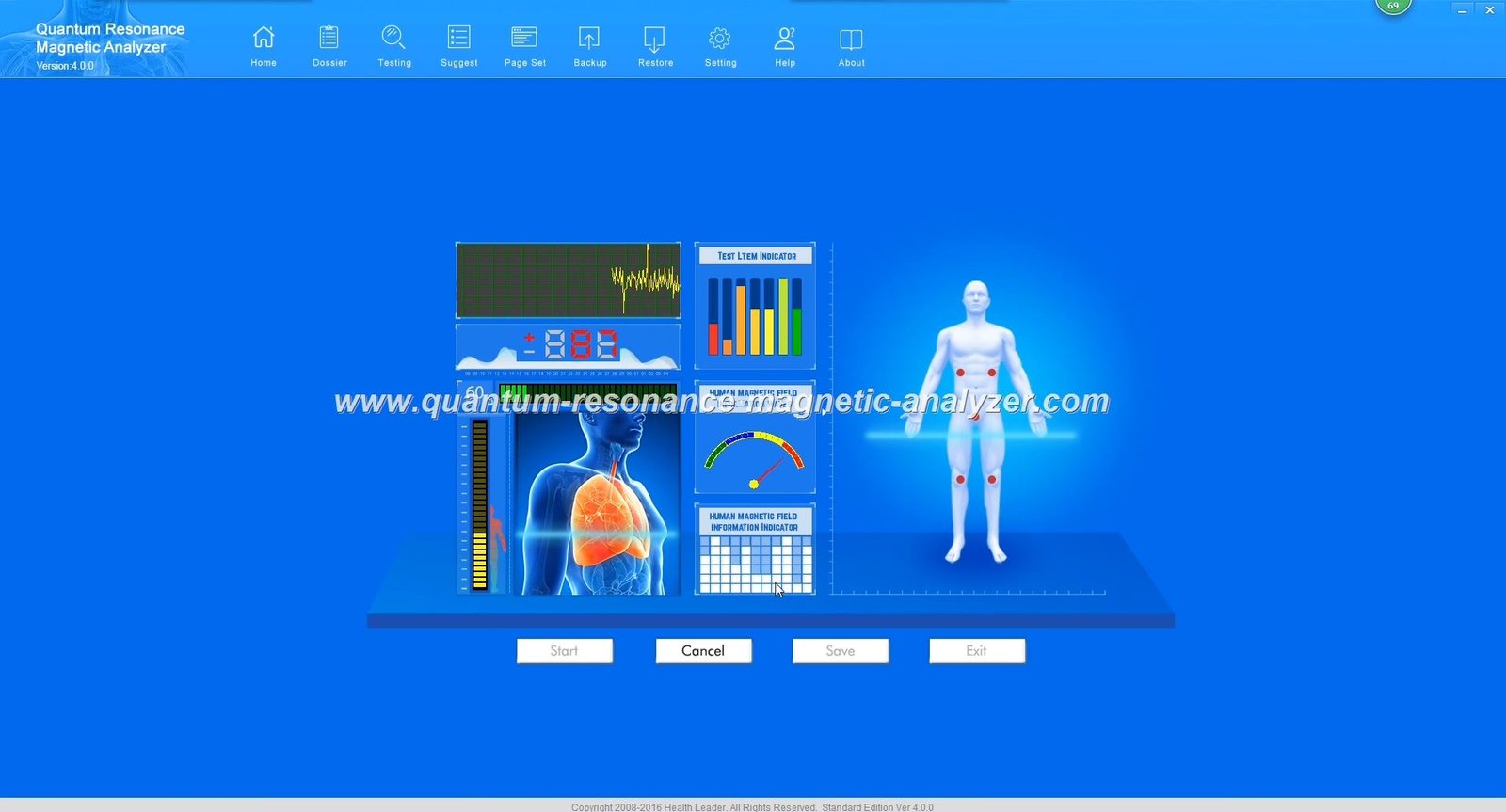
Advanced data visualization in the analyzer’s software interface
The sophisticated software that powers the Quantum Resonance Magnetic Analyzer transforms raw electromagnetic data into meaningful health insights through several layers of algorithmic processing.
Signal Processing Pipeline
Initial signal acquisition and noise filtering to isolate relevant bioelectric patterns
Fast Fourier Transform (FFT) analysis to convert time-domain signals to frequency domain
Pattern recognition algorithms that compare detected signals against reference databases
Statistical analysis to determine deviation from established healthy parameters
Report generation with visual representations and interpretative text
Reference Database Comparison
A critical component of the analyzer’s functionality is its extensive reference database containing electromagnetic signatures of various health states. The software compares the individual’s measured signals against these reference values to identify potential imbalances or areas of concern.
The database includes frequency patterns associated with:
Optimal cellular function across different organ systems
Nutritional status indicators and metabolic patterns
Stress response signatures and autonomic balance
Energy production and utilization efficiency
Inflammatory response patterns and immune function
Toxic exposure indicators and detoxification capacity
Hormonal balance and regulatory system function
Structural integrity and functional capacity
“The sophisticated algorithms in the Quantum Resonance Magnetic Analyzer can process over 50 million data points in a single scan, providing a comprehensive view of health status across multiple body systems.”
Dr. Chen Wei, Quantum Biophysics Researcher
Applications in Healthcare and Research
The Quantum Resonance Magnetic Analyzer has found applications across various healthcare and research domains, offering non-invasive assessment capabilities for multiple purposes.
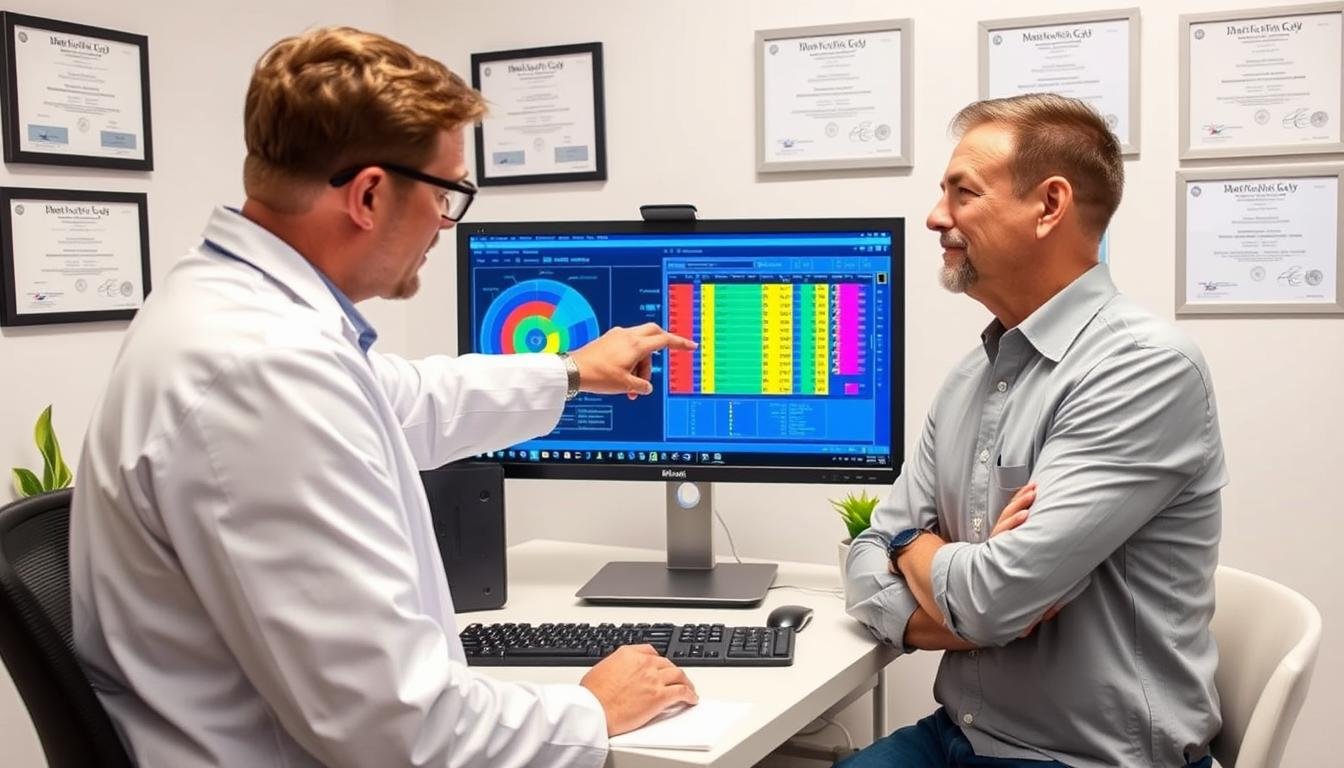
Clinical application of the Quantum Resonance Magnetic Analyzer in patient assessment
Clinical Applications
Preventive Health Screening
The analyzer enables comprehensive health assessments that can identify potential imbalances before they manifest as clinical symptoms. This makes it valuable for preventive health programs and wellness monitoring.
Complementary Assessment
Healthcare practitioners use the technology as a complementary tool alongside conventional diagnostics to gain additional insights into patient health status and guide further testing.
Progress Monitoring
The non-invasive nature of the analysis makes it ideal for tracking changes in health parameters over time, allowing practitioners to assess the effectiveness of interventions.
Educational Tool
The visual reports generated by the analyzer serve as effective educational tools to help patients understand their health status and the importance of lifestyle modifications.
Research Applications
Several research institutions have utilized the Quantum Resonance Magnetic Analyzer in studies exploring electromagnetic biomarkers and their correlation with various health conditions.
Study
Focus Area
Key Findings
2023 Johns Hopkins Trial
Stress response patterns
Identified distinct electromagnetic signatures associated with different stress response types
2022 Beijing Medical University Study
Nutritional assessment
Demonstrated correlations between specific frequency patterns and micronutrient status
2021 University of California Research
Inflammatory biomarkers
Found consistent electromagnetic pattern changes in subjects with chronic inflammation
2020 European Biophysics Consortium
Cellular energy production
Established baseline frequency patterns associated with optimal mitochondrial function
2019 Tokyo Institute of Technology
Autonomic nervous system
Identified specific frequency signatures reflecting sympathetic/parasympathetic balance
Comparison with Traditional Analysis Methods
Understanding how the Quantum Resonance Magnetic Analyzer compares to conventional diagnostic approaches helps clarify its position in the healthcare assessment landscape.
Feature
Quantum Resonance Magnetic Analyzer
Conventional Blood Tests
Medical Imaging (CT/MRI)
Assessment Type
Functional & energetic
Biochemical
Structural
Invasiveness
Non-invasive
Minimally invasive
Non-invasive (radiation exposure with CT)
Time for Results
Minutes
Hours to days
Hours to days
Systems Assessed
Multiple systems simultaneously
Specific markers only
Specific anatomical regions
Early Detection Capability
May detect functional changes before clinical manifestation
Detects changes when biochemically significant
Detects structural changes after development
Cost
Moderate
Variable (low to high)
High
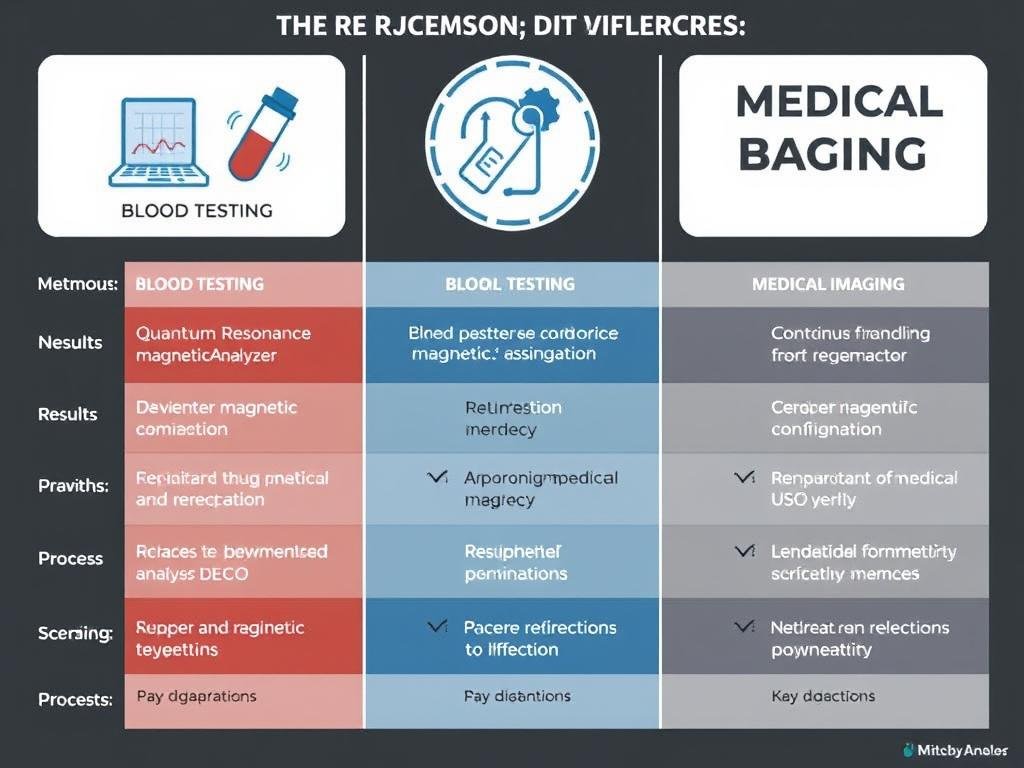
Visual comparison of different diagnostic approaches
Benefits and Limitations
Benefits
Non-invasive assessment requiring no blood draws or radiation
Comprehensive evaluation of multiple body systems in a single scan
Rapid results generation with immediate report availability
Detection of subtle imbalances before clinical manifestation
Portable technology suitable for various clinical settings
Cost-effective compared to multiple conventional tests
Painless procedure with high patient acceptance
Limitations
Not intended to replace conventional medical diagnostics
Varying levels of scientific validation across different applications
Results interpretation requires professional training and context
Environmental factors can influence measurement accuracy
Not yet widely accepted in all conventional medical settings
Requires proper calibration and maintenance for accuracy
Not suitable for emergency or acute condition assessment
Professional interpretation enhances the value of analyzer results
Important Note: The Quantum Resonance Magnetic Analyzer is designed as a screening and assessment tool to complement conventional medical diagnostics, not replace them. Results should always be interpreted by qualified healthcare professionals in the context of a comprehensive health assessment.
Future Developments in Quantum Resonance Magnetic Analyzer Technology
The field of quantum resonance analysis continues to evolve, with several promising developments on the horizon that may further enhance the capabilities and applications of this technology.
Concept visualization of next-generation analyzer technology
AI Integration
Advanced artificial intelligence algorithms are being developed to enhance pattern recognition capabilities and provide more nuanced interpretation of electromagnetic signals, potentially improving diagnostic accuracy.
Miniaturization
Ongoing research aims to further reduce the size of sensor components while increasing sensitivity, potentially leading to wearable or even implantable monitoring devices based on quantum resonance principles.
Expanded Databases
International research collaborations are working to expand reference databases with electromagnetic signatures from diverse populations and health conditions, enhancing the analyzer’s applicability across different demographics.
Stay Informed About Technological Advancements
The Quantum Resonance Magnetic Analyzer technology continues to evolve with new features and capabilities. Subscribe to receive updates on the latest developments and applications.
The Quantum Resonance Magnetic Analyzer represents an innovative approach to health assessment that bridges quantum physics principles with practical clinical applications. By detecting and analyzing the body’s electromagnetic field patterns, this technology offers a non-invasive method for comprehensive health screening that complements conventional diagnostic approaches.
While continuing to evolve in terms of validation and acceptance within mainstream healthcare, the analyzer provides valuable insights into functional aspects of health that may not be readily apparent through other assessment methods. Its ability to simultaneously evaluate multiple body systems makes it a unique tool for holistic health assessment.
As research in quantum biophysics advances and technology continues to improve, we can expect further refinements in both the hardware and software components of these systems, potentially expanding their applications and enhancing their diagnostic capabilities.
Experience Advanced Health Assessment Technology
Discover how the Quantum Resonance Magnetic Analyzer can provide comprehensive insights into your patients’ health status with non-invasive, rapid assessment.